Police Chiefs Endorse Radical Restructuring to Cut Forces and Accelerate Reforms
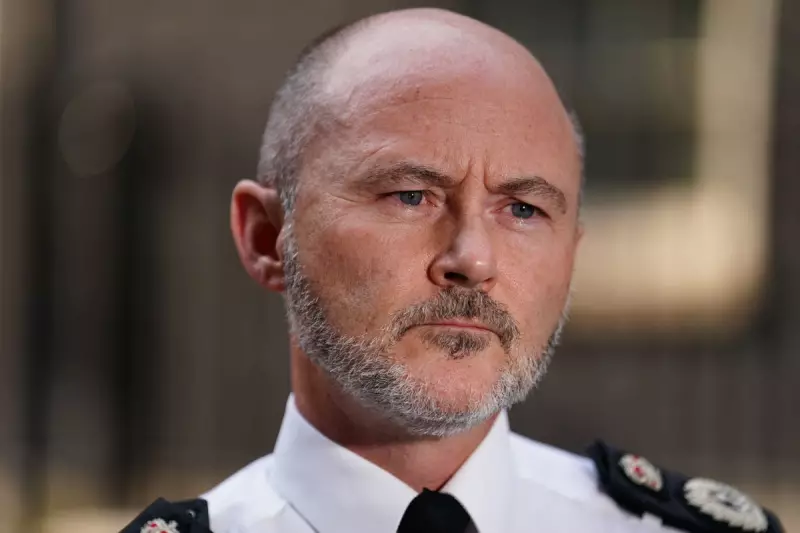
The chairman of the National Police Chiefs' Council has publicly backed sweeping government proposals to dramatically reduce the number of police forces across England and Wales. Gavin Stephens stated that the current structure, with 43 separate forces, creates excessive bureaucracy and slows down critical decision-making in areas such as technology adoption and workforce modernisation.
Current System 'Too Slow and Cumbersome'
Stephens highlighted fundamental problems with the existing framework, where most funding flows to local forces before being negotiated back for national initiatives. He described this process as "too slow, too cumbersome and doesn't work," emphasising that consolidation of both funding and decision-making authority is essential for effective policing.
"You've got rapidly changing new technologies which show huge promise, then you can't get them rolled out because there are too many decision makers in the system," Stephens explained. "If we want to put in the hands of every neighbourhood officer the best available technology, we've got to do that once for everybody and then get it rolled out."

Proposed Changes and Implementation Timeline
The reforms, outlined in a White Paper presented by Home Secretary Shabana Mahmood, would see the number of police forces "significantly reduced" from the current 43. While major structural changes are expected to be implemented in stages until 2034, some immediate modifications to crime recording standards will take effect straight away.
Sir Andy Marsh, head of the College of Policing, confirmed that certain changes would begin as early as Tuesday, including the deployment of artificial intelligence systems designed to save officers' administrative time. "There are also reforms needed to the National Crime recording standard, which will remove huge bureaucracy, hundreds of thousands of hours to release those officers right now," Marsh stated.
Funding Challenges and Workforce Concerns
The proposals come against a backdrop of severe financial pressures facing police services across England and Wales. Police chiefs estimate the service faces an annual budget shortfall of approximately £600 million, with an additional potential deficit of up to £400 million once sentencing reforms lead to more offenders remaining in communities.
Stephens called for an overhaul of the funding formula used to allocate resources to local forces, alongside simplification of the existing 30-plus different grant schemes. He noted that some rural forces face increasing crime rates without corresponding funding increases, while others struggle with basic financial viability.
Creation of National Police Service
Under the plans, a new National Police Service would be established in phases, potentially becoming operational early in the next parliamentary term. Legislation to create this body is expected to pass early next year, with a new National Crime Commissioner appointed beforehand.
Graeme Biggar, director general of the National Crime Agency which would be absorbed into the new structure, supported the consolidation. "What we've observed is that the threat is becoming more complex and interconnected," Biggar noted. "Terrorism, hostile state threats, organised crime, gangs increasingly overlap. A National Police Service will bring together the very best of our specialist teams to tackle these national, international threats."
Criticism and Opposition
Despite support from senior policing figures, the proposals have faced criticism from various quarters. The Association of Police and Crime Commissioners warned that the changes concentrate excessive power in the hands of the Home Secretary and the new National Police Commissioner.
Nick Smart, President of the Police Superintendents' Association, raised concerns about insufficient consultation with the workforce and questioned how the reforms would be funded. The Police Federation of England and Wales is expected to voice similar reservations, particularly regarding resource allocation and the viability of response time targets without additional funding.

Stephens acknowledged the challenges but emphasised the urgency of reform. "Twenty years ago would have been good. Today is good as well, so we ought not to lose any time," he concluded. "It's really important for us in these changes that we keep momentum and see them through."