A Metropolitan Police officer with an extraordinary ability to remember faces has identified his 3,000th suspect, helping to crack down on crime in London. PC Gary Collins, the force's top 'super-recogniser', has used his talent to pick out criminals from CCTV footage and photographs, as well as during his patrols in Hackney, one of the capital's most crime-ridden areas.
Super-recognisers, as they are known in the Met, can recall up to 95% of faces they have seen, compared to the average person's 20%. The force deploys an elite team of 140 officers across London to capture the most wanted criminals. PC Collins, who has identified over 800 suspects, says he can often identify individuals from just partial facial features, such as eyes or a nose.
Dr Josh Davis, a forensic facial identification expert at the University of Greenwich, is studying super-recognisers. He says the ability appears to be innate, emerging in people's 20s and 30s, and that officers can recognise faces from passport photos taken a decade earlier. However, research shows a 'cross-race effect', meaning super-recognisers struggle to identify people outside their own ethnic group.

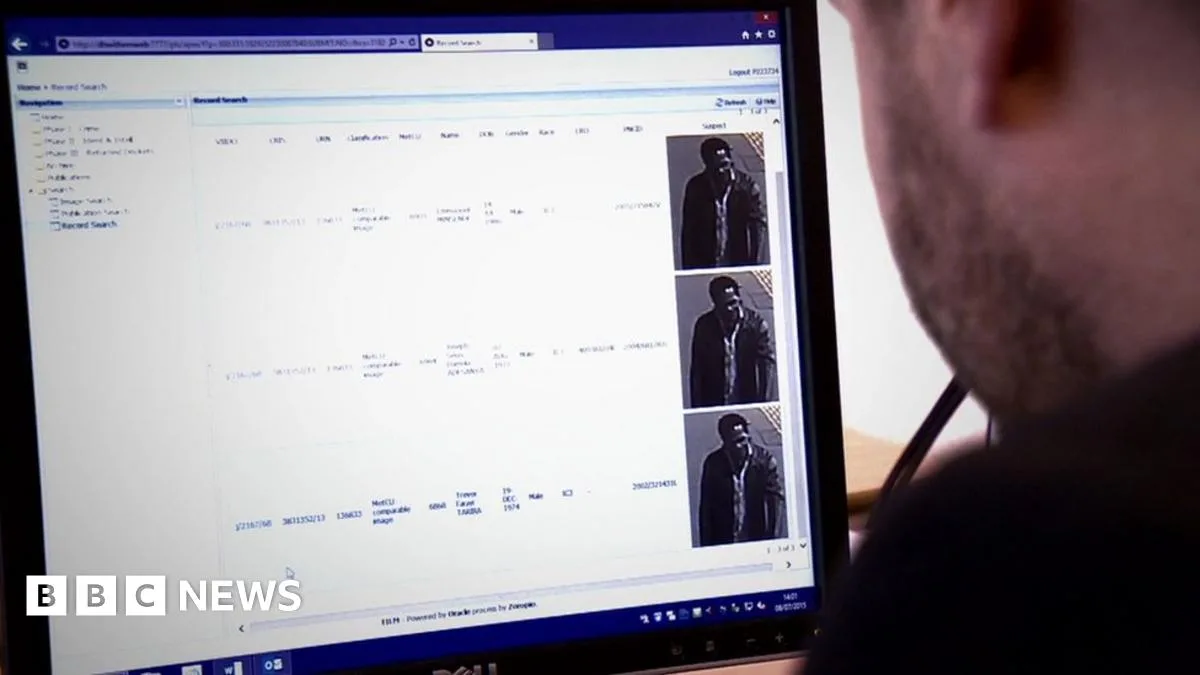
Detective Chief Inspector Mick Neville, head of the Met's central forensic image team, wants to increase the number of super-recognisers to 500. He believes facial recognition will become as crucial as fingerprints and DNA in building a suspect's crime history. The team uses a technique called 'face net', linking individuals to multiple offences, leading to heavier sentences.
The 2011 summer riots were the biggest test for the Met's super-recognisers. PC Collins identified heavily disguised rioter Stephen Prince, who threw petrol bombs at police, leading to his conviction and imprisonment. Super-recognisers also helped locate murdered teenager Alice Gross last year.