Home Secretary Shabana Mahmood is poised to introduce sweeping reforms to the policing system in England and Wales, with a focus on enhancing emergency response capabilities and establishing a new national crime-fighting agency. The changes, set to be unveiled on Monday, aim to address long-standing concerns over efficiency and public safety.
Enhanced Emergency Response Targets
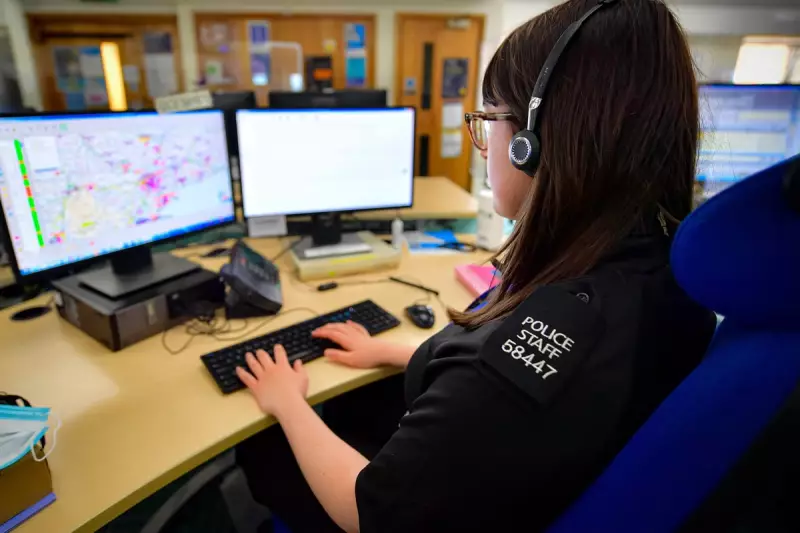
Under the new framework, police forces will be mandated to answer 999 emergency calls within a stringent 10-second timeframe. This marks a significant tightening of current standards, designed to ensure that urgent calls for help are handled with greater speed and reliability. The initiative responds to public demand for more responsive emergency services.
Faster Attendance at Serious Incidents
In addition to call handling improvements, the reforms set ambitious targets for police attendance at serious incidents. Forces will be required to arrive at the scene within 15 minutes in urban areas and 20 minutes in rural locations. These timeframes are intended to boost the chances of apprehending offenders and providing timely assistance to victims, thereby improving overall crime resolution rates.

Creation of a National Police Service
A cornerstone of the reforms is the establishment of a new National Police Service (NPS), colloquially referred to as 'Britain's FBI'. This super force will assume responsibility for high-priority areas such as counter-terrorism, fraud investigations, and organised crime. By centralising these functions, the NPS aims to streamline operations and enhance coordination across regions.
Impact on Local Policing
The introduction of the NPS is expected to free up local police forces, allowing them to concentrate on tackling everyday crimes like burglary and anti-social behaviour. This shift is part of a broader strategy to improve community policing and rebuild public trust. Plans also include a radical reduction in the current structure of 43 separate police forces, potentially leading to more efficient resource allocation and reduced bureaucratic overheads.
Licence to Practice for Officers
To ensure ongoing professionalism and competence, police officers in England and Wales will be required to obtain and periodically renew a 'licence to practice' throughout their careers. This measure will mandate continuous training and adherence to updated standards, fostering a culture of accountability and excellence within the force.
These comprehensive reforms represent a bold step towards modernising policing in the UK, with the dual goals of speeding up emergency responses and catching more criminals through a more cohesive and professional approach.