The Middle East was pulled back from the brink of all-out war on Monday after Israel and Iran agreed to cease missile attacks. However, a fragile ceasefire remains precarious, with both sides warning of severe retaliation if hostilities resume, fueling fears that the region is just one missile away from renewed conflict.
Renewed Hostilities and Ceasefire
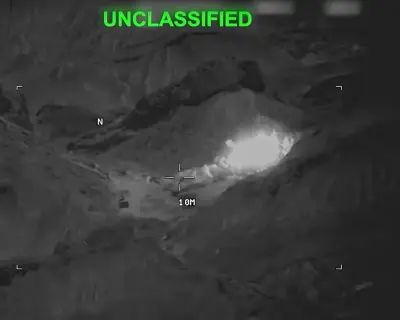
Strikes had escalated over the weekend, with Iran launching dozens of mid-range ballistic missiles into Israel, following Israeli airstrikes on Lebanese Hezbollah positions. Tehran had repeatedly warned that continued bombings would provoke a response. In retaliation, Israeli warplanes struck Iranian defense systems in what was described as a "large-scale strike" targeting strategic sites across Iran.
Three waves of missiles targeted northern and central Israel, most of which were intercepted. Israeli aircraft responded swiftly, hitting Iranian defenses. Tehran warned that its assault was the beginning of a "week of hell" and "continuous strikes," with reports that Yemen's Houthi forces also participated.

Warnings and Conditions
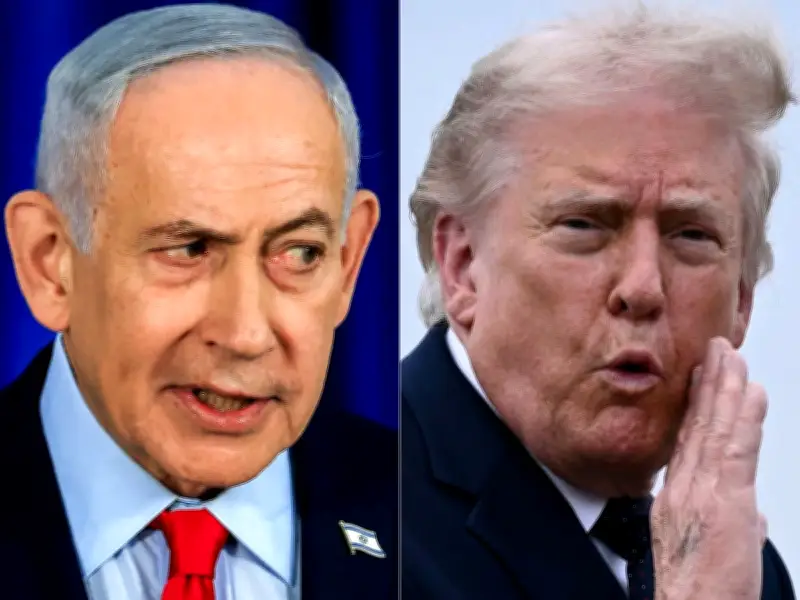
Israeli Prime Minister Benjamin Netanyahu agreed to "hold fire" but cautioned that attacks would resume if Hezbollah or Iran broke the tentative agreement. He stated, "If they make a mistake and resume attacks, we will respond powerfully. Israel has the right to defend itself and we implement it when needed." Netanyahu emphasized that Iran and Hezbollah had attempted to establish a new equation allowing them to strike Israel without retaliation, calling that "unacceptable."
Iran, even after agreeing to stop firing, declared it would deliver a more "severe" response if Israel continued attacks on southern Lebanon. Israeli sources warned that Beirut's southern Hezbollah strongholds would be bombed if Hezbollah launched rockets across the northern border.
US Involvement and Tensions
US President Donald Trump took to social media, demanding, "Israel and Iran must immediately stop shooting," amid fears of a wider conflict. Tensions between Trump and Netanyahu have grown over the Israeli leader's repeated refusal to back down. Trump later stated that peace talks were ongoing despite the clashes, with progress being made "subject to ignorance or stupidity getting in its way."
There are increasing concerns that an escalation could draw Bahrain and the UAE into the conflict against Iran, risking a broader regional war. Trump told US media he was "not happy" about Tehran's strikes but insisted they would not impact the deal, asserting that he "calls the shots," not Netanyahu.