Metropolitan Police Slashes Historic Mounted Branch in Major Cost-Cutting Drive
The Metropolitan Police Service has confirmed it will dramatically reduce the size of its historic mounted branch, cutting the number of horses by approximately half as part of urgent cost-saving measures. The cherished unit, which traces its origins back more than 250 years to 1763, will see its equine contingent reduced from around 100 animals to between 40 and 50. Specially trained officers currently assigned to the branch will be redeployed to other duties within the force.
Funding Crisis Forces 'Tough Choices'
Assistant Commissioner Matt Twist revealed the changes, which will take effect next month, are expected to save approximately £3 million annually. This comes as the Metropolitan Police faces the daunting challenge of bridging a funding gap estimated at £260 million. Twist emphasized that none of the horses being removed from active service would be euthanised as a result of the restructuring, stating unequivocally that horse welfare remains "absolutely paramount."
"We've had to look everywhere as to where we can actually reduce without impacting our core services," Twist told the London Assembly Police and Crime Committee. "The core issue is, can we meet our demand with a shrinking budget, with tough choices, needing to save £260 million?"

Protest Policing Places 'Chronic' Strain on Resources
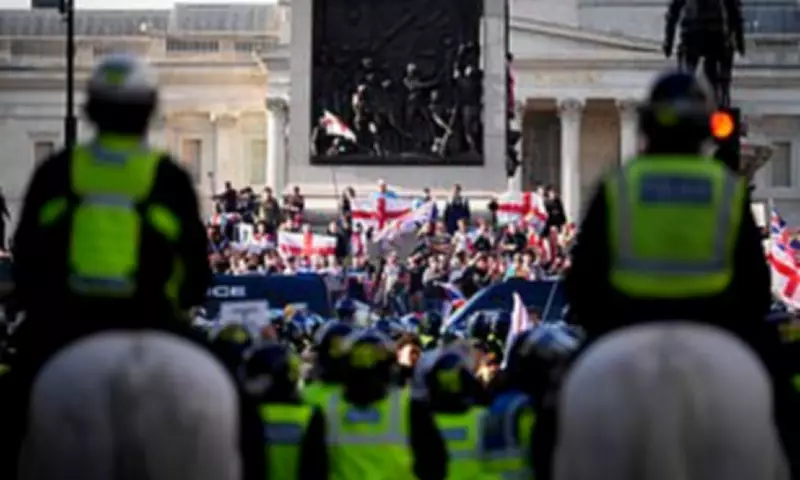
Twist warned that demonstrations are already having a "chronic" impact on the Met's resources, with thousands of protests occurring annually across London. The city has become a focal point for numerous high-profile demonstrations in recent years, including those related to Covid-19 restrictions, Black Lives Matter, Palestine, and immigration issues.
"We're dealing now with thousands of protests every year," Twist explained. "We also know that the protest demand on the Met is a chronic abstraction for officers taken out of community policing." He added that central Government funding for policing in the capital is "significantly underfunded for the amount of demand that we're now faced with dealing."
Met Commissioner Sir Mark Rowley recently informed MPs that covering protest-related officer shifts could cost the force up to £50 million this year alone, highlighting the substantial financial burden created by maintaining public order during demonstrations.
Restructuring Details and Historical Significance
The mounted branch restructuring represents what Twist described as "an operational decision" necessitated by financial constraints. The number of officers in the unit will decrease from approximately 120 to just 50, while the estate will be consolidated into two main stable hubs at Great Scotland Yard and Hyde Park. The Imber Court training facility in Surrey will be retained for ongoing operations.
Despite the reductions, Twist confirmed that mounted officers will continue to fulfill public order commitments at protests and football matches. "Mounted branch will still be present at protests and football matches," he assured committee members.
The mounted branch holds significant historical importance within British policing. Originally formed in 1763 to combat highwaymen, the unit gained fame for its ceremonial roles escorting royal events, including the 2011 wedding of Prince William and Kate Middleton and the Diamond Jubilee celebrations in 2012. The late Queen Elizabeth II personally presented awards to members of the unit at a horse show at Imber Court in 1986.
Training and Welfare Commitments
Each horse in the mounted branch undergoes six months of specialized training to acclimate to noisy environments, while officers complete a demanding 20-week riding course before joining the unit. When asked by committee member Gareth Roberts whether any horses would "go to live on a farm"—a euphemism for euthanasia—Twist responded firmly: "No horses have been harmed in this process. We absolutely wouldn't see an option of putting horses to sleep as a solution to this for the budget."
He added that retired horses "frequently will go and live on farms, but will see out their days there, fully supported," ensuring their welfare remains protected throughout the transition.

The decision reflects the broader challenges facing modern policing in an era of increased public demonstrations and constrained budgets, forcing difficult choices about which traditional elements of police work can be maintained amid financial pressures.