Home Secretary Unveils Most Significant Policing Reforms in 200 Years
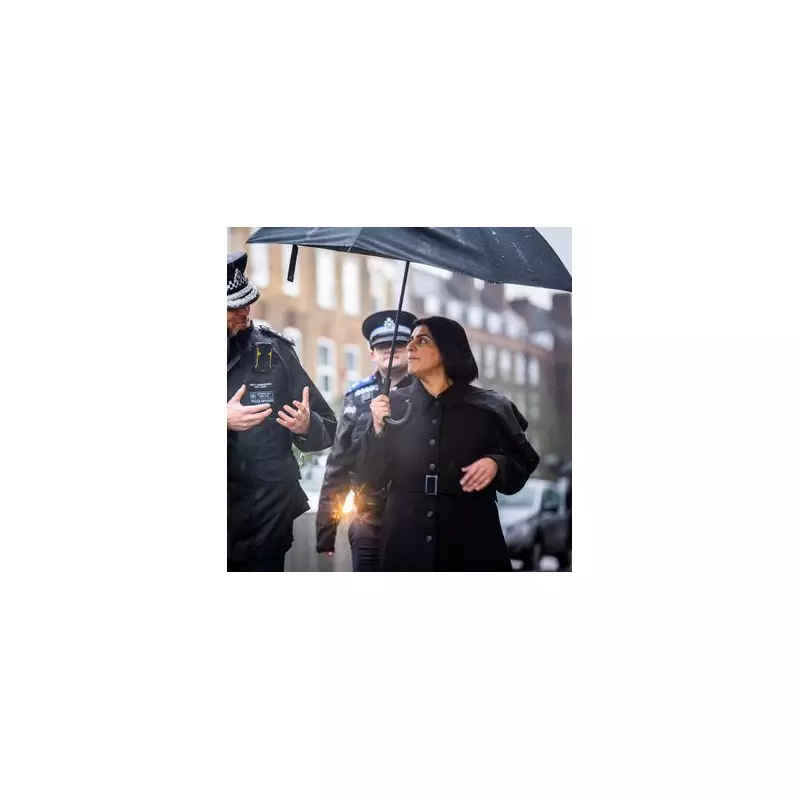
Home Secretary Shabana Mahmood has announced a radical transformation of policing in England and Wales, describing it as the most substantial overhaul in two centuries. The comprehensive blueprint aims to dismantle what she termed "outdated structures" that she argues are setting chief constables up for failure.
Creation of a National Police Service: The 'British FBI'
Central to the reforms is the establishment of a new National Police Service, colloquially being referred to as a 'British FBI'. This elite body will concentrate on investigating serious and complex crimes, including organised crime networks, terrorism, and high-level fraud. Ms Mahmood argued that the current system overstretches local forces with national responsibilities, distracting them from community-level policing.
The new service will consolidate the capabilities of several existing national bodies, including the National Crime Agency, Counter Terrorism Policing, and Regional Organised Crime Units. It will be led by a National Police Commissioner, who will become the country's most senior police officer.

Consolidation of Police Forces and Regional Hubs
In a move to increase efficiency, the government plans to "significantly" reduce the number of police forces in England and Wales from the current 43. A government white paper criticised the existing structure as "no longer fit for purpose," highlighting that maintaining 43 separate headquarters with duplicated back-office functions wastes money that could be redirected to frontline policing.
Complementing this, Regional Crime Hubs will be established across the country. These hubs will target cross-border criminal activities such as drug networks, firearms supply, and child sexual abuse, deploying specialised talent and advanced technology regardless of where the crimes originate.
Major Investment in Artificial Intelligence and Technology
The reforms include a massive £140 million investment in artificial intelligence. This funding will support the creation of a national AI centre and facilitate a nationwide rollout of facial recognition technology. This includes deploying facial recognition vans and systems capable of identifying suspects from various footage sources like CCTV, doorbell cameras, and mobile phones.
Ms Mahmood defended the use of such technology, drawing a parallel with historical scepticism towards fingerprinting. "When the future arrives, there are always doubters," she told MPs. "100 years ago, fingerprinting was decried as curtailing our civil liberties. But today we could not imagine policing without it. I have no doubt the same will prove true of facial recognition technology." The Home Office estimates this technological push could free up the equivalent of 3,000 officers for frontline duties.
New Performance Targets and Accountability Measures
Under the new blueprint, strict response time targets will be introduced. Police will be required to arrive at crime scenes within 15 minutes in urban areas and 20 minutes in rural locations. Additionally, forces must answer 999 calls within 10 seconds. The Home Secretary expressed concern over current delays, stating that victims often wait hours or days for a response, by which time perpetrators and witnesses have vanished.
To enhance transparency and accountability, each police force will be mandated to publish an online performance dashboard. These dashboards will publicly display metrics on key priorities, including response times, neighbourhood team sizes, and crime resolution rates. Ms Mahmood emphasised: "The police are the public, and the public are the police. It is essential that the people can determine what they expect from their forces."
Enhanced Powers for the Home Secretary and Specialist Interventions
The reforms grant the Home Secretary new powers to intervene in underperforming forces. This includes the authority to sack chief constables and dispatch 'crack squads' of specialists from high-performing constabularies to turn around failing forces. These measures address what Ms Mahmood described as a lack of accountability, coming shortly after she voiced frustration over having no power to remove the head of West Midlands Police.

Targeted Initiatives on Specific Crime Types
The government announced a £7 million investment specifically to combat the shoplifting epidemic, which includes £5 million for Operation Opal, a national intelligence unit targeting organised shoplifting gangs. This follows a record rise in cases after a previous policy change regarding prosecutions for thefts under £200.
In a bid to tackle digital crime, the reforms include a novel initiative to recruit cyber security experts as special constables in their spare time. With 90% of crimes now having a digital element, ministers seek volunteers with technical skills to bolster the response to cybercrime, as numbers of special constables have plummeted by 73% since 2012.
Scrapping of Non-Crime Hate Incidents
In a significant policy shift, the Home Secretary confirmed she will scrap the recording of non-crime hate incidents (NCHIs). These are reports that do not meet the criminal threshold but are motivated by prejudice. Ms Mahmood stated this change is intended to refocus police efforts on core crime-fighting duties, telling The Telegraph: "I don't want them to be policing perfectly legal tweets. I want to make sure that they're focused on the day job."
Ms Mahmood framed these sweeping changes as a necessary response to a system in crisis, stating: "Communities are facing an epidemic of everyday crime that all too often seems to go unpunished, and criminals know it." She attributed the erosion of neighbourhood policing to past austerity measures, asserting that her reforms will ensure "the right policing happens in the right place" to better protect local communities.