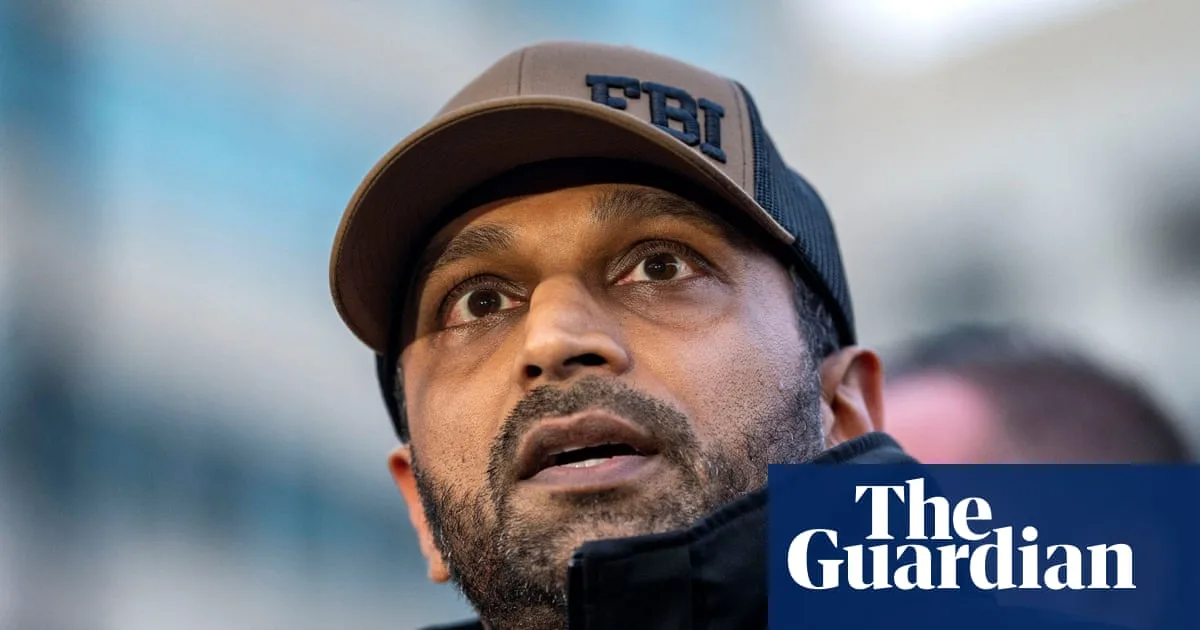
A leaked 115-page report compiled by a national alliance of retired and active-duty FBI special agents and analysts paints a dire picture of the bureau under Director Kash Patel. Based on confidential accounts from 24 FBI sources, the assessment describes the organisation as a ‘rudderless ship’ and accuses Patel of being ‘in over his head’.
The report, obtained by the New York Post and prepared for congressional judiciary committees, alleges that the FBI has become ‘internally paralyzed by fear’. Managers are reportedly afraid of losing their jobs and reluctant to take initiative without explicit direction from Patel. Two sources independently characterised the director as lacking the requisite knowledge of the FBI’s complex investigative and intelligence programs.
Patel’s tenure has been marked by controversy. Before his February 2025 confirmation, nearly 60 civil rights groups urged the Senate to reject his nomination due to his lack of experience and foreign ties. Since taking office, he has faced criticism for refusing to release Jeffrey Epstein files and for prematurely announcing an arrest in the Kirk investigation that had to be retracted.

The report details an incident on 11 September, the day after the assassination of conservative activist Charlie Kirk, when Patel arrived in Provo, Utah, and refused to leave the FBI jet without an appropriate raid jacket. Agents had to stop their work to find a jacket, and Patel complained about missing Velcro patches. He only disembarked after Swat team members removed patches from their own uniforms and attached them to the borrowed jacket. The same source confirmed media reports that Patel yelled at the special agent-in-charge and directed an expletive-laden tirade over perceived blunders in the case.
Deputy Director Dan Bongino, who lacks traditional FBI experience and was granted a Patel-authorized waiver exempting him from standard polygraph screening, is described by one source as ‘something of a clown’. Both Patel and Bongino face criticism for an excessive focus on social media, with employees reporting that they hear more about the bureau’s mission from leadership’s social media posts than through official internal channels.
In response, White House spokesperson Abigail Jackson said: ‘President Trump has assembled the most talented and impressive administration in history and they are doing an excellent job carrying out the President’s agenda. FBI Director Patel is a critical member of the President’s team and he is working tirelessly to restore integrity to the FBI.’