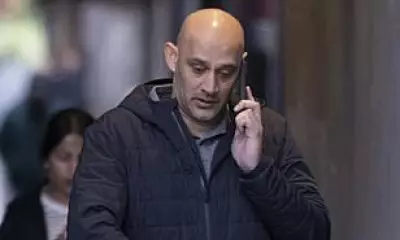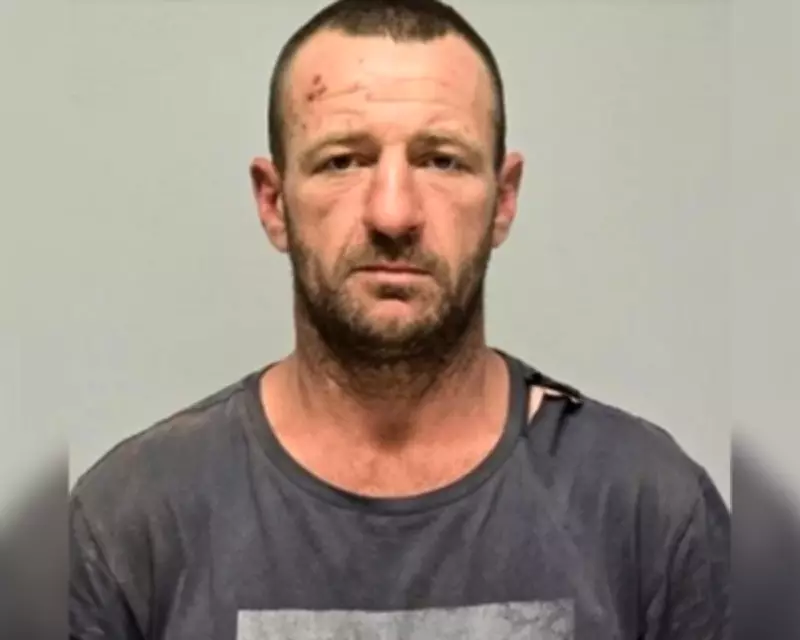
The death of Julian Ingram, a fugitive wanted for domestic violence, has sparked intense scrutiny of police tactics during a standoff in Lake Cargelligo, New South Wales. Ingram, 42, was shot and killed by police after a prolonged siege that ended on Tuesday night. The incident has prompted calls for a thorough investigation into the circumstances surrounding the shooting and the broader handling of domestic violence cases.
What Happened in Lake Cargelligo?
Julian Ingram had been on the run for several weeks after allegedly assaulting his partner. Police tracked him to a property on the outskirts of Lake Cargelligo, a small town in western NSW. The standoff lasted over 12 hours, during which Ingram reportedly brandished a weapon and made threats. Negotiators attempted to resolve the situation peacefully, but the standoff ended when Ingram was fatally shot by tactical officers.
Domestic Violence History
Ingram had a documented history of domestic violence, including previous charges of assault and breaching protection orders. Advocates for domestic violence victims have questioned why Ingram was not apprehended earlier, given his known pattern of violence. The case has reignited debates about the effectiveness of police responses to domestic violence and the risks posed by offenders who evade justice.

Questions Over Police Conduct
The use of lethal force by police has drawn criticism from community members and legal experts. Some have questioned whether the situation could have been de-escalated without loss of life. The NSW Police Force has stated that a critical incident investigation is underway, standard procedure in such cases. However, transparency concerns remain, with calls for an independent inquiry.
Community Reaction
Residents of Lake Cargelligo have expressed shock and grief over the incident. Many are demanding answers about the events leading up to the shooting. A local elder described the incident as a tragedy that highlights the need for better mental health and domestic violence support services in rural areas.
Broader Implications
The case has also drawn attention to the challenges faced by police in rural and remote areas, where resources for dealing with domestic violence and mental health crises are often limited. Experts argue that more investment in proactive interventions and support for victims could help prevent such tragedies.
As the investigation continues, the family of Julian Ingram has called for a full and transparent inquiry. The incident serves as a stark reminder of the complexities surrounding domestic violence, policing, and community safety.