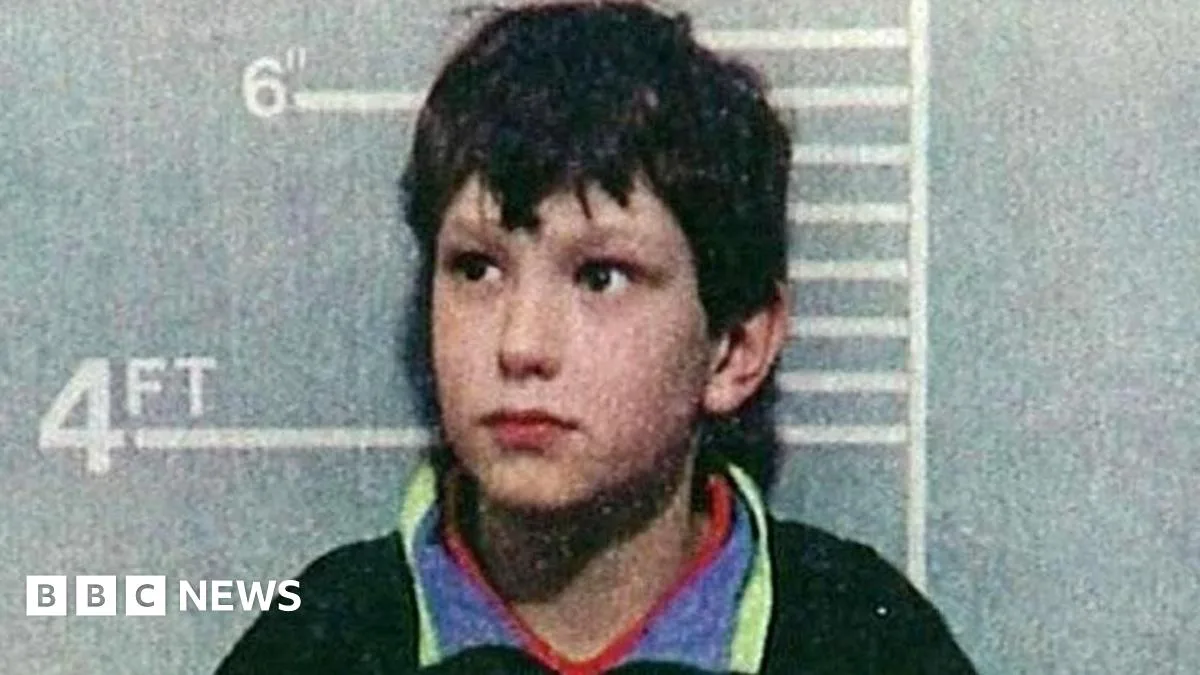
Jon Venables' Parole Bid: A History of Violence and Recidivism
Jon Venables' Parole Bid: Violence and Recidivism

Jon Venables' Parole Hearing: A Troubled History of Violence and Reoffending

The family of James Bulger is enduring renewed anguish as Jon Venables, one of his killers, prepares for a fresh parole board hearing. Venables, now 43, along with Robert Thompson, abducted and murdered two-year-old James Bulger on February 12, 1993, when they were both just ten years old. This crime established them as the youngest convicted murderers in modern British legal history.

A Pattern of Prison Recalls and Parole Breaches

Since the horrific killing, Jon Venables has been subject to multiple prison recalls, casting serious doubt on his rehabilitation. Initially released on licence in July 2001, his freedom was revoked in February 2010 after authorities discovered indecent images of children on his computer. A subsequent release in August 2013 was short-lived; he was recalled again in November 2017 for committing the same type of offence. The Parole Board last reviewed his case in September 2020.

In a significant 2023 decision, the Parole Board rejected Venables' application for release. The board concluded he still presented a clear danger to children and posed a high risk of reoffending. Despite this assessment, he has now been granted another hearing, scheduled for the coming month, prompting widespread concern and distress.

Early Signs of Disturbing Behaviour

Disturbing details about Venables' childhood and early behaviour emerged during the original trial. Described as the 'normal' child in his family, who was expected to thrive in a conventional school setting, his actions told a different story. Reports from the time documented several violent and disruptive incidents.

  • He was reported to have stood on a desk and thrown chairs in a classroom.
  • In another alarming episode, he nearly throttled another pupil with a ruler before being pulled away.
  • After being dismissed from class for causing disruption, he hung himself upside down from a coat peg.

Even after changing schools, his head teacher characterised him as a "strange, unusual, and difficult boy", noting poor coordination, a squint, and a propensity for playground fights.

The Crime, Trial, and Aftermath

The murder of James Bulger sent shockwaves across the nation. The toddler's body was discovered forty-eight hours after his disappearance; he had been beaten to death with bricks and a metal bar. The case was cracked when a family friend of the Venables, recognising him from CCTV footage and aware he had been truant, contacted the police. Both boys were arrested shortly afterwards.

During police interviews, a tearful ten-year-old Venables, referred to as Child B, confessed, stating, "That I killed James. I did it." After a three-week trial at Preston Crown Court in November 1993, Venables and Thompson were found guilty. The judge described the killing as an act of "unparalleled evil and brutality." Reports from the courtroom described Venables sobbing inconsolably, while Thompson remained initially impassive before showing signs of remorse.

Life After Conviction: New Identities and Further Crimes

In June 2001, both Venables and Thompson were released on life licence and granted new identities, protected by a lifetime anonymity injunction due to their age at the time of the murder. However, Venables' path diverged sharply from Thompson's, who is not known to have reoffended.

Venables' post-release life has been marred by further criminality:

  1. 2010 Recall: Imprisoned for possessing indecent images of children and breaching parole by visiting Merseyside.
  2. 2018 Sentence: Jailed for three years and four months after another conviction for possessing child abuse images.

Legal efforts by James Bulger's father, Ralph Bulger, to have Venables' new identity made public were unsuccessful, with a challenge lost in 2019. The consistent thread in parole assessments has been the determination that Venables continues to pose a threat to the public, particularly children, undermining arguments for his safe reintegration into society.