Heythrop Zoo in Oxfordshire, one of the world's most unique animal training centres and a beloved Cotswolds filming location for blockbusters including Harry Potter and Mission: Impossible, has permanently closed its doors.
The zoo, described as 'the only kind in the world,' shut in March following the retirement of founder Jim Clubb, according to This Is Oxfordshire.
Clubb launched his renowned TV venture, Amazing Animals, back in 1977, before Heythrop Zoo was built as a purpose-built location and film set in 1988. His final project was Christopher Nolan's The Odyssey, set for release in July.

Serving as a hub for all of Europe's animal requirements, its beloved creatures appeared in the Harry Potter series, Mission: Impossible, The Mummy Returns, Stardust, Nativity, Sweeney Todd and The Golden Compass, reports Gloucestershire Live.
Now aged 71, Clubb said the decision to close 'has not been taken lightly' and expressed his gratitude to all those who had supported the zoo throughout the decades. He originally co-founded it alongside his late ex-wife Sally.
Clubb has also garnered recognition for bringing his remarkable animals to visit local care homes, and recently undertook a heartwarming initiative taking his penguins to several hospices.
He said: 'It was always my dream to have a private zoo but I had to be able to support it. It has been my entire life. I have enjoyed every moment. The zoo was unique, it was the only one of its kind in the world. I loved the classic zoo architecture, I designed the giraffe house based on London Zoo's, which is a listed building.'
Clubb said that Heythrop was conceived as an exaggerated take on a traditional zoo, with contemporary animal welfare at its core, making it an ideal destination for film and television productions.
It grew to become one of the largest animal training centres for the audio-visual industry, with major productions such as The Legend of Tarzan and Mowgli: Legend of the Jungle filmed on its grounds.
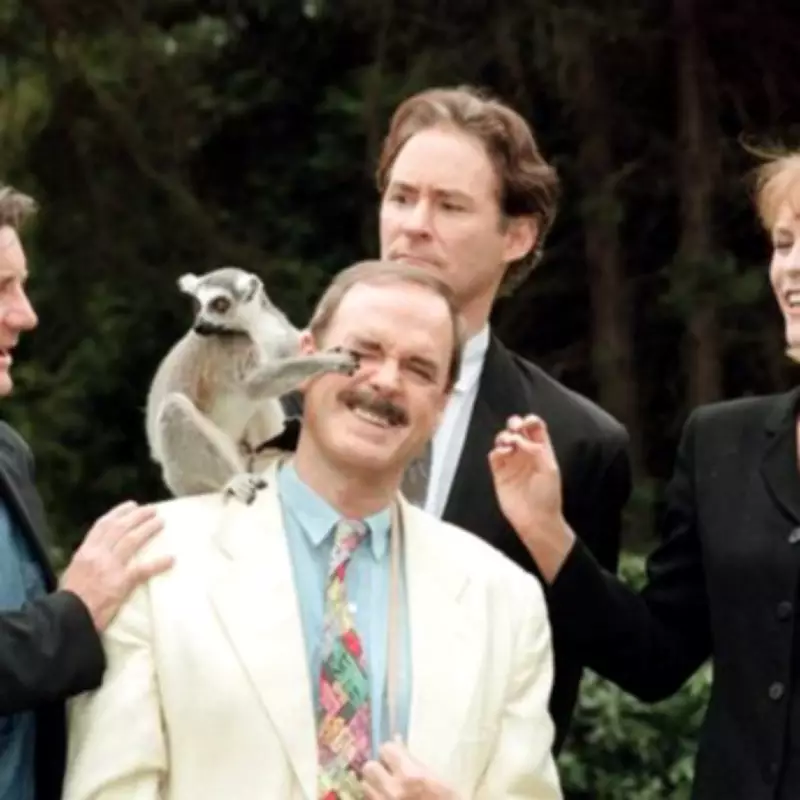
Clubb recalled: 'I enjoyed doing the film Fierce Creatures, with John Cleese, and Our Zoo for the BBC. Although never open to the general public, the zoo welcomed visitors for encounters, parties and open days. The joy it gave residents was enormous. We were inundated with requests, even after we announced the closure.'
All the animals have since been successfully rehomed in zoos and private collections throughout the UK. The penguins, who have visited a number of care homes, are set to be transferred to a private collector next week.
Looking ahead to retirement, Clubb outlined a host of plans, including tending to his reptiles and tropical fish, as well as continuing to co-write historical animal books alongside his son Jamie.
He confirmed that the site and its distinctive Cotswold stone buildings are to be converted into storage units.