The Life and Mysterious Death of Drag Queen Heklina: A Legacy of Art and Injustice
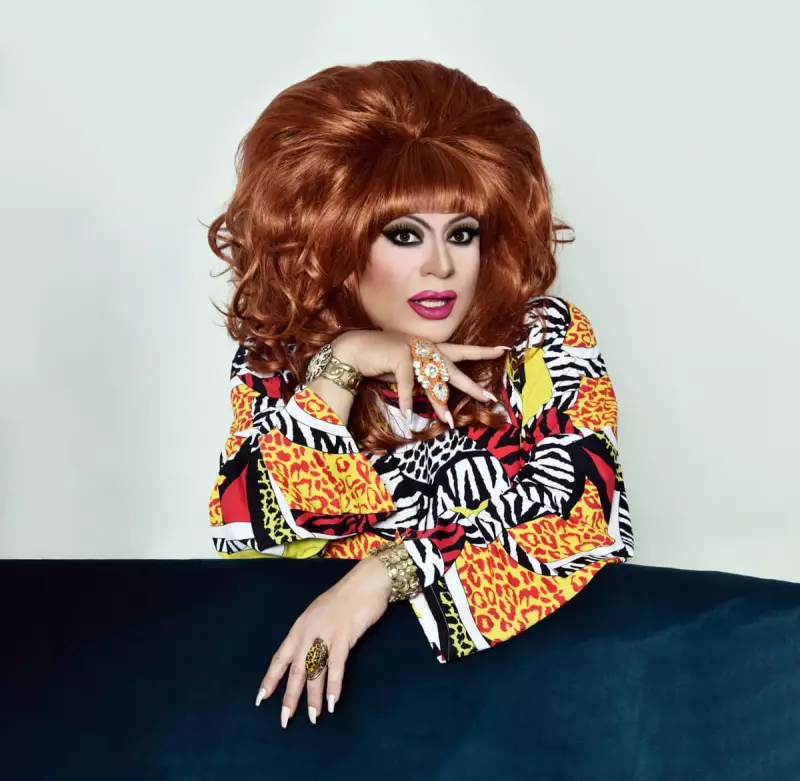
In the vibrant world of San Francisco's drag scene, Heklina was celebrated as a legendary performer, known for her raunchy and abrasive stage persona. Her death in London in 2023, under circumstances labeled "unexpected" by the Metropolitan Police, has left her loved ones grappling with unanswered questions and allegations of institutional bias.
A Trailblazer in Drag Culture
Born Steven Grygelko in 1967 near Minneapolis, Heklina found her calling in San Francisco after a tumultuous childhood. She rose to fame with her weekly party, Trannyshack, which began in 1996 at The Stud bar. This event became a cornerstone of the city's queer community, offering a platform for diverse performers, including bearded queens, drag kings, and cisgender women. Heklina's open-door policy fostered a space where art, experimentation, and provocation thrived, distinct from traditional drag shows.
Her influence extended beyond the stage, mentoring emerging artists like Alaska, BenDeLaCreme, and Jinkx Monsoon, who later gained fame on RuPaul's Drag Race. Monsoon credits Heklina with giving her the drag gig that launched her career, describing her as part of the "old guard of drag" who achieved recognition before television fame.

The Mysterious Circumstances of Her Death
Heklina was found dead in her London flat in April 2023 by her close friend and collaborator, Peaches Christ. The performer was in drag, positioned unusually, and drugs such as GHB and methamphetamine were detected at levels that could be fatal. Initially, police treated Peaches as a suspect, but she was cleared after interviews and CCTV review.
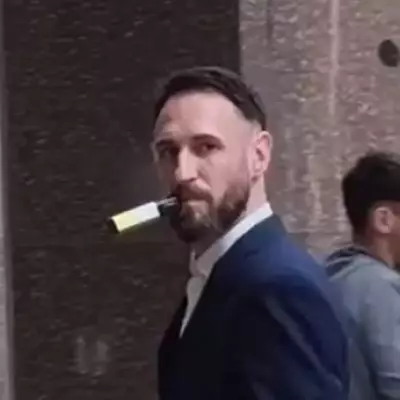
Despite indications of an accidental overdose during chemsex, the cause of death remains unconfirmed, and an inquest has yet to occur. Nearly two years later, police released CCTV footage of three unidentified men leaving Heklina's flat, raising further questions and prolonging the anguish for her family and friends.
Allegations of Police Bias and Delays
The Metropolitan Police's handling of the investigation has been criticized for its sluggish pace, prompting protests outside Scotland Yard. Peaches and others suspect that homophobic bias may have led to the case being deprioritized, with drag queens and individuals in the queer nightlife scene not receiving equal attention.
This concern is echoed in the Baroness Casey Review, which highlighted institutional racism, sexism, and homophobia within the Met. The report noted a decline in trust among LGBTQ+ Londoners, underscoring systemic issues that may affect investigations like Heklina's.
Peaches has organized protests in London and San Francisco to pressure the police and raise awareness of broader injustices. While the Met has apologized for delays and assigned a new investigator, the damage to trust persists, with many questioning why answers have taken so long.
Heklina's Enduring Legacy
Beyond her stage persona, Heklina was remembered for her generosity, quietly supporting friends with rent, employment, and substance abuse struggles. She battled addiction herself but used her platform to uplift others, founding the Oasis nightclub in San Francisco to create a space run by drag queens.
After her death, her community has rallied to honor her memory, from distributing her wardrobe to digitizing her extensive video collection. Her ashes were divided among loved ones, symbolizing her unconventional spirit.
As the investigation continues, Heklina's story serves as a poignant reminder of the challenges faced by the LGBTQ+ community in seeking justice. Her legacy as a drag pioneer and advocate for inclusivity endures, inspiring future generations to push boundaries and demand accountability.