A man has pleaded guilty to repeatedly ramming his car into the Chabad Lubavitch world headquarters in New York City, telling a judge he did so because he was intent on damaging the Jewish landmark.
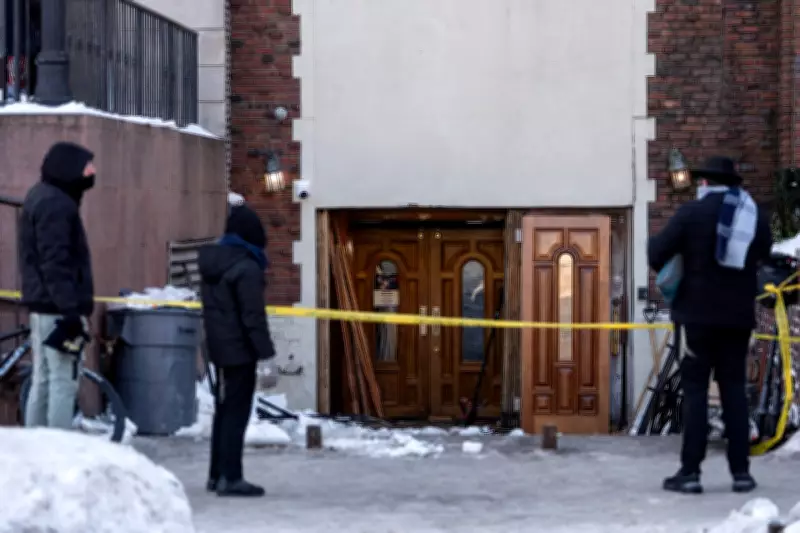
Dan Sohail, 36, plowed an entrance to the packed Brooklyn synagogue with his car five consecutive times in January after clearing away stanchions and urging people to move out of the way, federal prosecutors said. He caused about $19,000 in damage, which he must repay.
Sohail, of Carteret, New Jersey, resolved the case without a hate crime conviction, pleading guilty to a charge of intentionally damaging religious property. He faces a maximum sentence of up to three years in prison, but federal sentencing guidelines call for up to six months in prison, prosecutors and Sohail’s defense lawyer, Mia Eisner-Grynberg, said.

Vitaliano did not set a date for sentencing. Jailed since his arrest, Sohail has already served more than three months behind bars.
Watching from the courtroom gallery as Sohail pleaded guilty, Chabad Rabbi Yaacov Behrman came away irritated at the prospect of a sentence that could amount to “no consequences.”
“The message needs to be sent loud and clear that attacking a synagogue will be met with serious consequences,” Behrman, a Chabad spokesperson, told reporters afterward. “That message was not heard in court today.”
Sohail claimed to police at the time of the attack that he had lost control of the vehicle and pressed on the gas with his heavy boots. But in Brooklyn federal court on Wednesday, he said he drove from New Jersey "and intentionally damaged the building" because it is the Chabad headquarters.
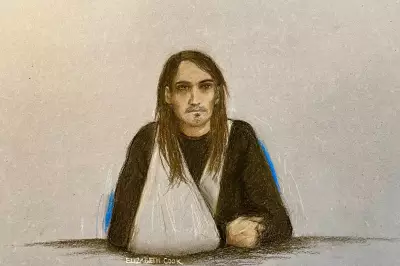
Wearing a beige jail suit, the bearded, shaggy-haired Sohail calmly told Judge Eric N. Vitaliano he carried out his attack “by driving into the door.”
The complex at 770 Eastern Parkway in Brooklyn includes a synagogue and offices, and had about 2,000 people inside at the time, according to Behrman. No one was injured, and no weapons were discovered in Sohail’s car, police said.
Sohail's “dangerous conduct was a targeted attack on the religious liberty and peace of worship to which every American is entitled,” the Justice Department’s civil rights division chief, Harmeet Dhillon, said in a statement.
Dhillon added that Sohail's guilty plea sends a clear message that the Justice Department "will not tolerate acts of hatred and violence against religious institutions.”
Intentionally damaging religious property is not categorized as a hate crime under federal law. Sohail had faced state-level hate crime charges, but they were previously dropped while the federal case proceeded.
At a prior hearing in March, Eisner-Grynberg said Sohail was in the process of converting to Judaism and had visited the Chabad Lubavitch site before. Weeks before the incident, police said, he had attended a social gathering at the Chabad headquarters, where he was seen on video dancing with Orthodox men.
People close to Sohail, including family members and Chabad rabbis, have said he did not seem to harbor any hatred toward Jews but suffered from mental health issues. At the March hearing, prosecutor Eric Silverberg acknowledged “very significant mental health concerns" about Sohail.
The crash occurred on the 75th anniversary of Rabbi Menachem Mendel Schneerson becoming the leader of the Lubavitch movement and prompted immediate concern in the city. Schneerson died in 1994 but remains a revered figure globally. There has been a near-constant police presence around the Chabad Lubavitch world headquarters for years.
The site was at the epicenter of the Crown Heights riots in 1991, when Black residents of the neighborhood attacked Jews after a child was killed by a car traveling in Schneerson’s motorcade. In 2014, a disturbed man entered the synagogue and stabbed a rabbinical student, wounding him, before being shot dead by police.