Hegseth: Allies Refusing to Back Iran War Is Unconscionable
Hegseth: Allies Refusing Iran War Support Unconscionable

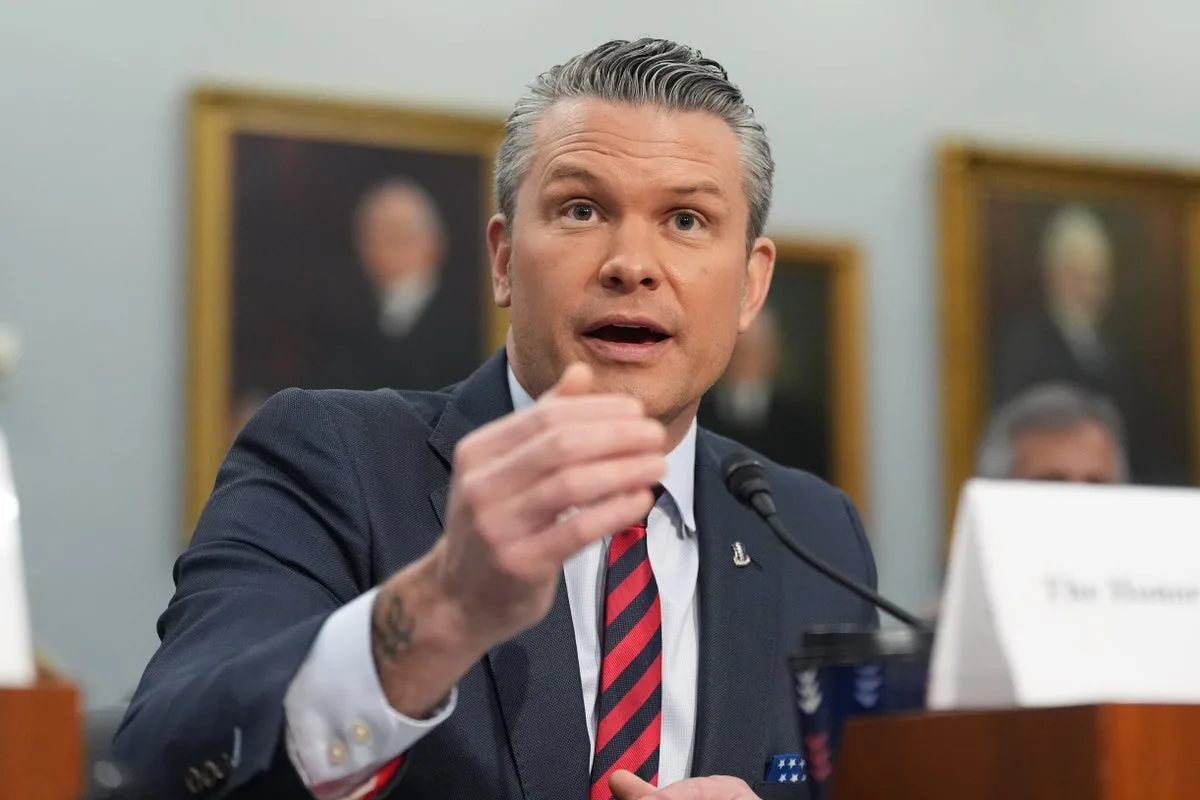
US Defence Secretary Pete Hegseth has described the refusal of allies to support the American military offensive against Iran as 'unconscionable', warning that the United States will remember those who failed to step up. In a written statement to Congressional appropriations subcommittees overseeing defence spending, Hegseth and President Donald Trump singled out the UK for criticism over its reluctance to be drawn into the Middle East conflict.

Cost of Conflict Rises

The cost of the Iran war has now reached approximately $29 billion (£21.4 billion), up from $25 billion reported two weeks ago. The mounting expenses and the strain on US weapons stockpiles have raised concerns on Capitol Hill. Meanwhile, American motorists have seen petrol prices surge by over 50% since the outbreak of hostilities, triggered by US and Israeli strikes. In retaliation, Iran effectively closed the Strait of Hormuz, a vital shipping lane for oil and gas, sparking a global energy crisis. The US responded by imposing its own blockade on Iranian ports, leading to a standoff.

Domestic Discontent

The soaring fuel costs have fuelled domestic discontent over the war and raised Republican concerns ahead of the November midterm elections, which will determine the composition of Congress and several state governorships. However, President Trump stated he is not considering the economic impact on households, arguing that preventing Iran from acquiring a nuclear weapon is the only priority. Trump also declared the Iran ceasefire on 'life support' and dismissed Tehran's peace proposal as 'garbage', causing oil prices to spike again.

Wide Pickt banner — collaborative shopping lists app for Telegram, phone mockup with grocery list

NATO Criticism

In his statement, Hegseth criticised NATO for becoming 'beset by freeriding' in the post-Cold War era and called for change, with allies 'finally stepping up and making good on their commitments to our collective defence'. He warned: 'Not all allies have gotten the message, and where they do not step up, there will be consequences. In recent weeks, far too many of our NATO allies showed that they could not be relied upon to support our nation’s operations against Iran – despite the fact that they themselves are far more reliant on Middle East energy markets than we are and also share our interest in denying Iran a nuclear weapons and otherwise degrading Iran’s power projection capabilities. This is unconscionable – and we will remember.'

Hegseth added: 'Americans want partners – not dependencies. And, thanks to President Trump’s visionary leadership, that is what we are building. Real partnerships and alliances based on hard power. Our allies aren’t powerless. They are nations capable of doing far more for themselves than they have. It’s time they stood up, and some of them are.' He praised 'model allies' including Israel, South Korea, Poland, Finland, and the Baltic states, notably omitting the UK and France.

Previous Remarks

Hegseth had previously dismissed British and French-led efforts to protect shipping in the Strait of Hormuz after the conflict as 'silly'. The proposed defensive mission would involve the UK deploying autonomous mine-hunting equipment, anti-drone systems, and Typhoon jets alongside the destroyer HMS Dragon. The US has already announced plans to withdraw 5,000 troops from Germany, with President Trump threatening to pull personnel from Italy and Spain over their stance on the war.

Congressional Criticism

During Congressional hearings, Hegseth faced criticism from Republicans over the White House's fractious relations with long-standing allies. Senator Mitch McConnell, chairman of the Senate appropriations subcommittee on defence, remarked: 'NATO is the most important military alliance in world history. It seems to me that a lot of the European countries think that we’re reducing our influence there, they’re sort of on their own.' Congressman Tom Cole, Republican chairman of the House appropriations committee, added: 'America First has never meant America alone. American power is most effective when it’s exercised in concert with like-minded nations who share our interests and our values.' President Trump is currently visiting China, where he is expected to urge President Xi Jinping to pressure Iran.

Pickt after-article banner — collaborative shopping lists app with family illustration




