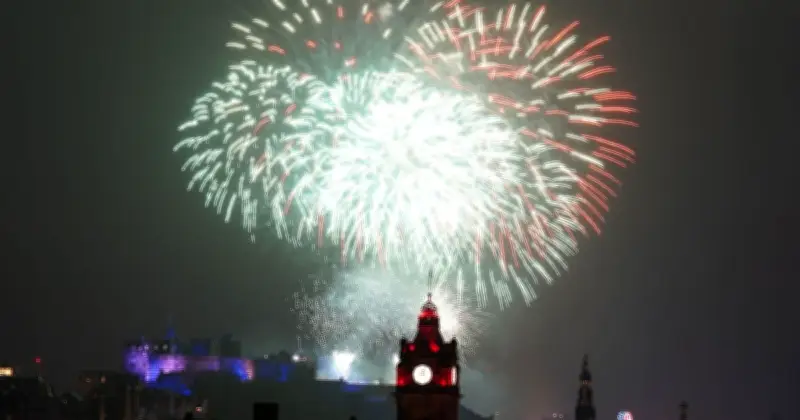
UK households are being reminded that fireworks have a legal time limit, which changes depending on the date, and breaking it could lead to a substantial fine or up to six months in prison.
While Guy Fawkes Night is a single night each year, fireworks are often set off from Halloween until around November 10. However, there are laws governing how and when fireworks can be used, both on November 5 and throughout the rest of the year.
Bonfire Night and Other Dates
On November 5, Bonfire Night, fireworks can be set off from 7am to midnight. Setting them off earlier than 7am or later than midnight breaks antisocial behaviour laws.
On any other date, the permitted hours are 7am to 11pm. This means that on dates such as November 4 or November 6, fireworks must stop an hour earlier, or a potential fine could be issued.
Penalties and Age Limits
West Yorkshire Police warns: “The penalties for using fireworks outside the above curfew hours are imprisonment (maximum six months) and a substantial fine.
“Please note, you could also commit offences if they were being used to cause a nuisance.”
The Metropolitan Police notes that there are different categories of fireworks, each with its own age limit. Category one includes 'Throwdown fireworks' such as firecrackers, bangers and party poppers. Categories two and three are 'Adult fireworks' available in shops. Category four covers professional display fireworks available from specialist suppliers.
“Anyone over 18 can buy, carry or use category one, two and three fireworks. Anyone over 16 can only buy, carry or use category one fireworks.
“Anyone over 12 can buy Christmas crackers.
“Only licensed professionals can buy, carry and use category 4 fireworks. Unless part of an organised event by licensed professionals, fireworks cannot be used on the street or in a public place. It’s an offence to throw or set off any firework (including sparklers and category 1 fireworks) in or into any highway, street, thoroughfare or public space.”