A pilot scheme using live facial recognition (LFR) technology on the streets of Croydon has led to more than 100 arrests in its first few months of operation, the Metropolitan Police has announced.
Pilot Programme Yields Significant Results
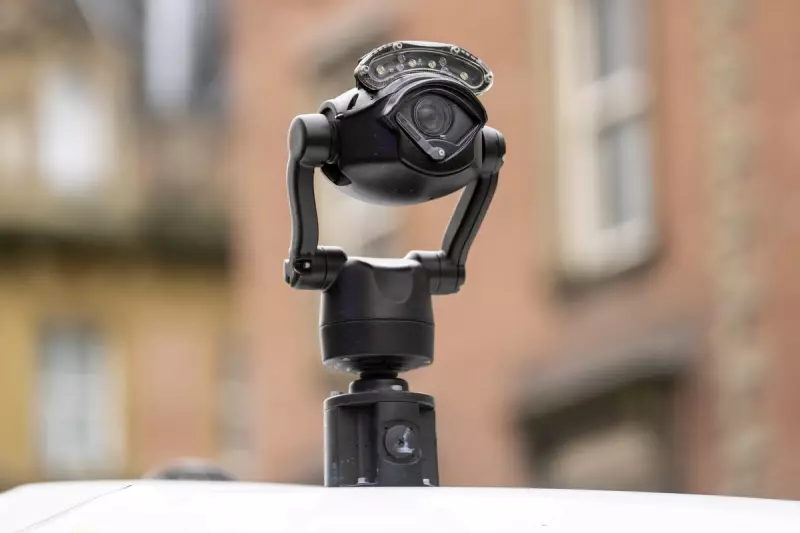
Since the trial began in October, cameras fixed to street furniture have enabled 103 arrests. The Met revealed that a third of these were for offences related to violence against women and girls. Among those apprehended were individuals wanted for serious crimes, including a woman who had evaded capture for over 20 years for failing to appear in court for an assault in 2004, a man suspected of kidnap, and a sex offender believed to have breached a prevention order.
The force highlighted that this new, remote deployment method—where feeds are monitored without the need for a physical police van on site—has proven efficient. The pilot in Croydon, chosen for its status as a crime hotspot, has seen 13 deployments so far.

Broader Impact and National Rollout
The success in Croydon is part of a wider picture for the Met. Since the start of 2024, LFR technology has been used to take more than 1,700 offenders off London's streets. In Croydon alone, deployments this year have resulted in 249 arrests, with 193 of those individuals subsequently charged or cautioned.
Lindsey Chiswick, the Met's and national lead for LFR, stated: "The increase in LFR deployments across crime hotspots in London is driven by its proven impact and success." She pointed to public support, citing a figure of 85% of Londoners backing the use of LFR for public safety.
This technology is expanding nationally. In November, forces including Greater Manchester, West Yorkshire, and Thames Valley joined an expanded pilot programme, rolling out new fleets of LFR vans. The Home Office invested £6.6 million last year on evaluating and adopting facial recognition, with a significant portion earmarked for a national facial matching service.
Controversy and Calls for Regulation
Despite the operational successes, the use of live facial recognition remains highly contentious. The Equality and Human Rights Commission (EHRC) last year described the Met's policy as "unlawful," warning that safeguards "fall short" and its use at protests could have a "chilling effect" on rights.
Campaign groups like Big Brother Watch have strongly objected, labelling the technology "facial recognition surveillance" that risks turning the country into "an open prison." In response, the Met has consistently defended its use as "both lawful and proportionate."
The government is now seeking to establish a clearer regulatory framework. In December, ministers launched a 10-week consultation on how police use of facial recognition should be governed and how privacy can be protected. Proposals include creating a dedicated regulator to oversee the use of biometrics by police forces.
The Met has clarified that the Croydon cameras are only activated during specific police deployments and stated there are currently no plans to extend this particular fixed-camera scheme to other areas.