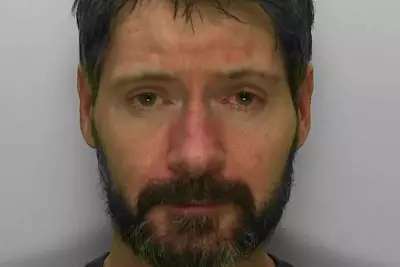
The murder of Sarah Everard by a serving Metropolitan Police officer was not merely a horrific crime; it was a profound betrayal that exposed a deep and systemic rot within the institution sworn to protect the public. The subsequent inquiry revealed a chilling reality: a culture of impunity had been allowed to fester, enabling a predator to wear a uniform. The central lesson from this tragedy is unequivocal: this culture must be stamped out, root and branch, if policing is to regain the public's shattered trust.
A Betrayal of the Badge and Public Trust
On the evening of 3 March 2021, Sarah Everard was walking home in south London when she was kidnapped, raped, and murdered by Wayne Couzens, a serving officer in the Metropolitan Police's Parliamentary and Diplomatic Protection Command. Couzens used his warrant card and police-issue handcuffs to falsely arrest her under the pretence of breaching COVID-19 lockdown rules. This grotesque abuse of power transformed a symbol of authority into an instrument of terror.
The official inquiry, led by Lady Elish Angiolini, laid bare a catastrophic series of failures. It found that Couzens should never have been a police officer. Over nearly two decades, multiple red flags were ignored or missed. These included allegations of indecent exposure in 2015, three years before he joined the Met, and further incidents reported while he was a serving officer in both the Civil Nuclear Constabulary and the Met itself. The system designed to vet and monitor officers failed at every turn.

A Systemic Failure and a Culture of Impunity
The report concluded that the circumstances of Sarah Everard's murder were "preventable" and identified a culture of impunity that protected officers from scrutiny. This culture manifested in several critical ways:
- Inadequate Vetting: Forces failed to conduct proper background checks, missing past allegations and concerning behaviour.
- Ignored Reports: Allegations of misconduct, particularly of a sexual nature, were not taken seriously or investigated robustly.
- Lack of Accountability: A 'closed ranks' mentality and weak disciplinary processes allowed problematic officers to remain in post.
This environment allowed Couzens to operate with a sense of invulnerability. The inquiry starkly warned that without radical reform, there could be another "opportunistic predator" like him in the police force. The problem extends beyond one individual; it is institutional.
The Path Forward: Radical Reform and Zero Tolerance
The response to the Angiolini Report must be transformative, not tokenistic. Ending the culture of impunity requires concrete, systemic changes. Firstly, there must be a zero-tolerance approach to misogyny, racism, and all forms of discriminatory behaviour within police forces. This starts with recruitment but must be embedded in daily practice and leadership.
Secondly, vetting and misconduct procedures require a complete overhaul. Forces must be mandated to proactively search for intelligence on candidates, and all allegations against serving officers must be investigated with rigour and independence. The power to dismiss unfit officers must be strengthened and expedited.
Finally, and most crucially, external oversight must be significantly enhanced. The public cannot be expected to trust the police to police themselves. Independent bodies need greater resources and authority to hold forces to account, ensuring transparency and driving the cultural change that senior leadership has so far failed to deliver.
The memory of Sarah Everard demands nothing less. Policing by consent, the foundational principle of British law enforcement, has been grievously wounded. Restoring it requires dismantling the structures of impunity that betrayed Sarah and continue to endanger the public. The time for excuses is over; the time for decisive, unwavering action is now.