Toxicologists Conclude Drugs Cannot Be Excluded in Noah Donohoe Case
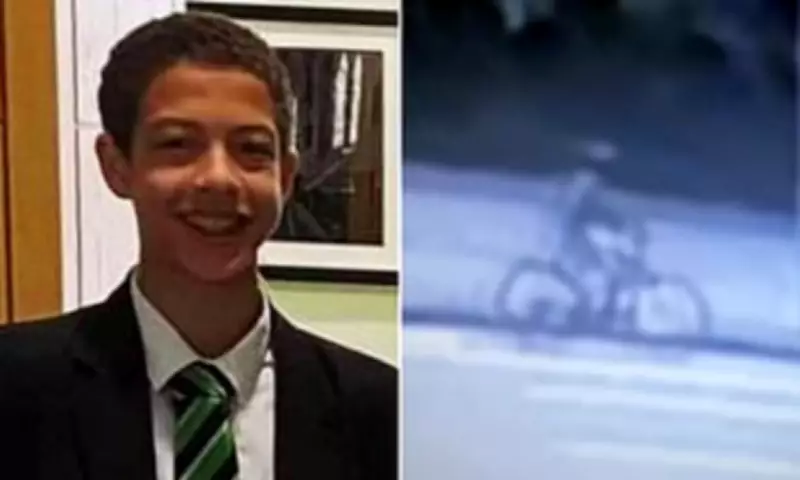
Forensic scientists have acknowledged during an inquest that it remains impossible to definitively rule out whether Noah Donohoe had drugs in his system at the time of his tragic death. The 14-year-old St Malachy's College pupil disappeared on June 21, 2020, after leaving his Belfast home on his bicycle to meet friends in the Cavehill area. His naked body was discovered six days later within a storm drain tunnel in north Belfast, sparking widespread concern and investigation.
Forensic Evidence Presented to Belfast Coroners Court
Forensic scientist Amy Eleanor Quinn, who conducted initial toxicological analysis on samples from Noah's body in July 2020, provided detailed evidence alongside Dr Simon Elliott, a consultant forensic toxicologist who performed additional testing and review in November 2024. Both experts appeared before Belfast Coroners Court on Wednesday, presenting their comprehensive findings to the ongoing inquest.
The forensic specialists unanimously agreed there exists no toxicological evidence indicating the schoolboy was under the influence of drugs or alcohol when he died. However, they emphasized significant limitations in modern toxicological testing that prevent absolute certainty. Dr Elliott specifically noted they could not exclude the possibility that Noah "had been administered a psychotropic substance prior to death," particularly given the unusual circumstances captured on CCTV footage showing him cycling naked shortly before his disappearance.

Comprehensive Testing Reveals Limitations
Ms Quinn confirmed she had tested Noah's blood samples for an extensive range of substances including:
- Methamphetamine and ecstasy
- Benzodiazepines and cocaine
- Cannabis, ketamine, and opiates
- Fentanyl and various pharmaceuticals
- Antidepressants and paracetamol
All these tests returned negative results. However, both experts stressed that many substances fall outside standard testing protocols. Ms Quinn acknowledged that hallucinogens like LSD or magic mushrooms were not included in her analysis, while Dr Elliott explained that "the range of screening is such that the testing can only exclude the drugs covered" and "it is not realistically possible to cover the thousands of drugs/substances that could be involved."
Synthetic Cannabinoids Present Particular Challenges
The toxicologists dedicated significant attention to synthetic cannabinoids, commonly referred to as "spice," which present unique detection challenges. Dr Elliott explained that many synthetic cannabinoids are chemically unstable and "may not be detected in post-mortem samples" due to degradation. He concluded that "negative findings do not entirely exclude that Noah had been administered a psychotropic substance prior to death" given these limitations.
Ms Quinn elaborated on the practical difficulties, noting that without access to specific drug references for comparison, "you're limited in knowing that your theoretical screening will pick that up." She emphasized the fundamental principle that "not finding it does not mean that it was not there," particularly with rapidly evolving synthetic drugs.
Behavioral Observations and Expert Interpretation
Under questioning from various legal representatives, the experts addressed Noah's unusual behavior prior to his disappearance. Ms Quinn outlined potential side effects of synthetic cannabinoids including:
- Paranoia and psychosis
- Hallucinations and depersonalization
- Lack of balance or coordination
When asked if Noah's behavior was consistent with having taken spice, Dr Elliott responded affirmatively, noting that an "adolescent individual who in the space of 20 minutes essentially has no clothes, he's falling off his bike" represents "not a common occurrence" and suggests "some disconnect between the normal function of an individual." He added that synthetic cannabinoids produce rapid effects when smoked, with impacts occurring "within minutes" of consumption.

Police Involvement and Historical Context
Donal Lunny KC, representing the Police Service of Northern Ireland, presented a police log from October 2021 documenting conversations with Ms Quinn about synthetic cannabinoids. The officer recalled Ms Quinn explaining there were "countless different variants" of such drugs, making detection "near impossible" in standard toxicology. Ms Quinn confirmed she had "certainly made them aware of the limitations in the testing" during these discussions.
Dr Elliott revealed his extensive experience with synthetic cannabinoid cases since these substances gained prominence in the late 2000s, having worked on "hundreds" of related investigations. Under questioning from Brenda Campbell KC, representing Noah's mother Fiona Donohoe, he acknowledged the rapid behavioral changes observed in Noah could align with synthetic cannabinoid effects.
The inquest continues to examine all aspects of Noah Donohoe's tragic death, with toxicological evidence forming one crucial component of the comprehensive investigation into the circumstances surrounding the 14-year-old's disappearance and death in Belfast.