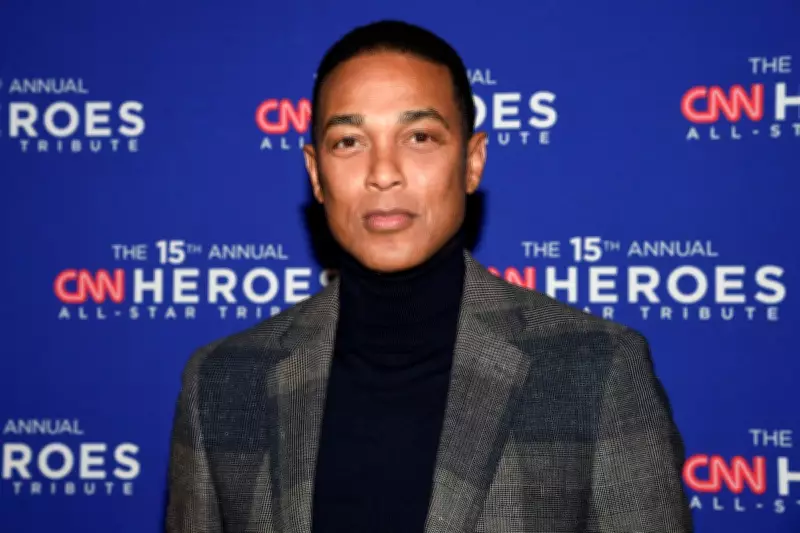
Former CNN anchor Don Lemon has been taken into custody on federal charges connected to his attendance at an anti-Immigration and Customs Enforcement (ICE) demonstration at a church in St. Paul, Minnesota. The arrest occurred on Thursday evening, marking a significant escalation in a case that has drawn national attention to issues of press freedom and protest rights.
Journalistic Intent Amidst Legal Scrutiny
Lemon has consistently asserted that he was present at the protest solely in his capacity as a journalist, observing the events to conduct reporting. His legal team, led by attorney Abbe Lowell, has emphasised this point in statements, arguing that his actions were protected under journalistic principles. Lowell confirmed that Lemon was arrested in Los Angeles while he was covering the Grammy Awards, adding a layer of complexity to the timing and location of the detention.
Legal Proceedings and Judicial Rejection
The Justice Department had previously attempted to bring a case against Lemon last week, but a judge rejected the initial filing, casting doubt on the strength of the charges. This rejection highlights the contentious nature of the legal arguments involved, with prosecutors now pursuing the matter further through federal channels.

Attorney's Statement and Broader Implications
In a strongly worded statement, Abbe Lowell criticised the Justice Department's priorities, stating, "Instead of investigating the federal agents who killed two peaceful Minnesota protesters, the Trump Justice Department is devoting its time, attention and resources to this arrest, and that is the real indictment of wrongdoing in this case." This comment underscores the political and social tensions surrounding the arrest, linking it to broader debates over law enforcement accountability and civil liberties.
The case remains under active investigation, with more details expected to emerge as legal proceedings advance. Observers are closely watching how this situation will impact discussions on journalistic protections and protest-related charges in the United States.