Croydon Residents Split Over Labour's Facial Recognition 'Big Brother' Cameras
Croydon Divided Over Labour's Facial Recognition Cameras

Croydon Residents Divided Over Labour's Facial Recognition Surveillance Scheme

Residents in Croydon, South London, have expressed sharply contrasting views regarding the installation of new facial recognition cameras along their high street. The technology, implemented by Scotland Yard in October after the area was designated a crime hotspot, has sparked a heated debate between those who feel safer and those who perceive it as a dystopian invasion of privacy.

A Town Transformed into a Surveillance Pilot

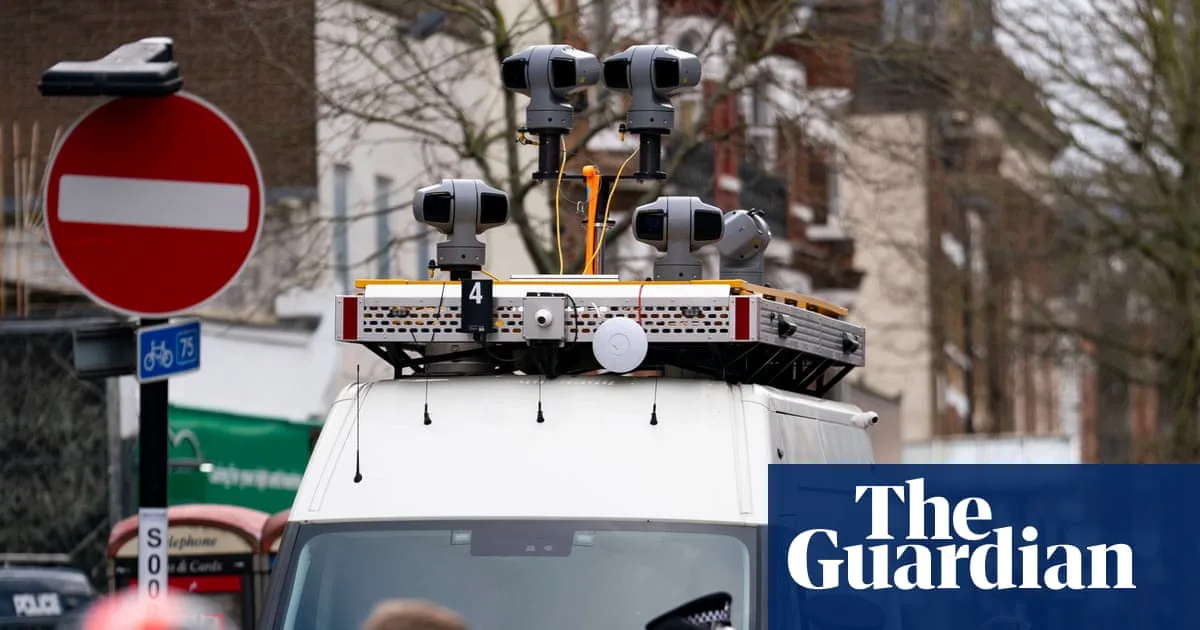
The cameras, fixed to lampposts at the entrance and exit to Croydon town centre, represent the first deployment under the Government's controversial plans to introduce permanent facial recognition surveillance across the country. This initiative has led some to dub Croydon 'Britain's Big Brother town'. The Metropolitan Police reports that, on average, one suspect has been arrested every 34 minutes while the equipment is operational.

Voices of Support: Safety Over Privacy Concerns

Many older residents have welcomed the cameras. John, 81, a regular shopper, described the idea as 'excellent'.

'If you haven't been involved in any crime, why should you worry about it?' he questioned, noting that crime was 'rife' before the cameras arrived, particularly with thefts from scooters. Jean Baxter, 80, shared this sentiment, stating, 'I'm quite happy with them... I've got nothing to hide. If you're not guilty then it doesn't matter.' Rose Jane Bowdry, 77, echoed this, simply asking, 'If you've done nothing wrong, why should it bother you?'

Criticism and Skepticism: Invasion and Displacement

However, not all locals are convinced. Stay-at-home mother Amy, 33, a lifelong Croydon resident, argued that while crime might move off the high street, it would simply land elsewhere in the borough. 'Now people know exactly where it's all set up and where police are going to be waiting,' she said, adding her concerns for her toddler's future safety during teenage years. Long-term resident David McDonald said the cameras are 'better than nothing' but doubted their deterrent effect on determined criminals.

Younger residents expressed more nuanced, often critical, views. University student Maria, 20, admitted finding the cameras 'invasive' and 'like you are being watched'. She praised the intent to catch criminals but criticised the lack of public notification. Her friend, Paulina Gomez, also 20, said the cameras provided statistical reassurance but did not make her feel physically safer walking in Croydon, especially as a young woman.

How the Technology Operates

The system works by taking a digital image of a passing pedestrian. Biometric software then measures facial features and compares the image against a police watchlist. If a match is detected, an alert is sent to officers to consider an arrest. The Met Police emphasises that if a member of the public is not wanted, their biometric data is immediately and permanently deleted. The force also states it publicises details of deployments beforehand.

Policing Results and Political Backlash

Since the rollout, police have made over 100 arrests in Croydon, with a third for offences of violence against women and girls, including cases of kidnap, rape, and strangulation. Notably, an alleged violent offender on the run for over two decades was captured. Policing Minister Sarah Jones has described facial recognition as the 'biggest breakthrough for catching criminals since DNA matching'.

Despite these results, the scheme faces significant criticism. Former shadow home secretary David Davis labelled it a 'dystopian' expansion, warning of an 'erosion of civil liberties' under Labour. The Equality and Human Rights Commission has previously called the Met's policy on live facial recognition 'unlawful'. Critics demand parliamentary debate on the limits of state surveillance, transparency over data retention, and judicial oversight.

Local Authority and Future Implications

Executive Mayor of Croydon, Jason Perry, supports the pilot, citing its role in making streets safer and aligning with a zero-tolerance approach to crime. The Met Police highlights that crime in Fairfield Ward, Croydon, has fallen by 12% during the three-month trial. With the Government keen to scale up use nationally, the division in Croydon reflects a broader national conversation about balancing security, privacy, and freedom in modern Britain.