Couple Left Agoraphobic Daughter to Die in Squalor, Court Hears
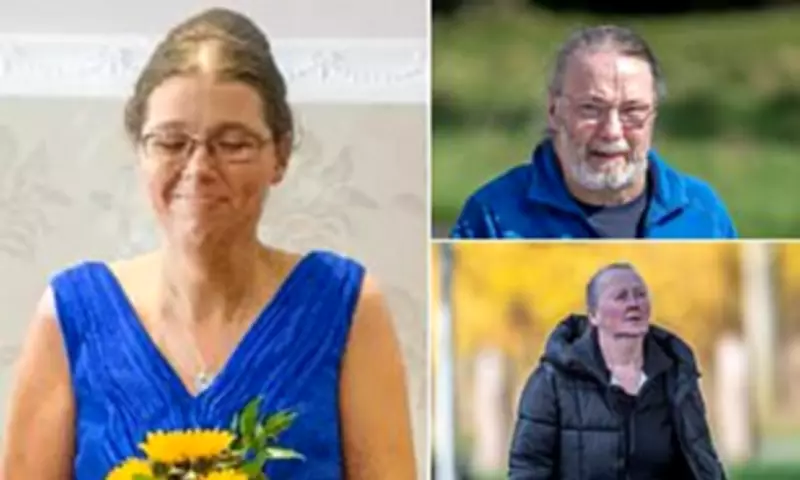
A couple has been described as 'heartless' after leaving their agoraphobic adult daughter to starve and die in appalling squalor, Mold Crown Court heard today. Steffie Davies, aged 32, was found emaciated in a sodden and soiled bed, with her skeletal body in a state of severe decomposition. Her mother, Bernita Davies, 60, made a 999 call in May 2023, leading paramedics to discover the tragic scene.
Shocking Discovery by Paramedics
When paramedics arrived at the home of Bernita and her husband, Alan Davies, they were met with an 'awful smell' and were 'shocked' upon pulling back a duvet to see Steffie's condition. Her long matted hair was infested with lice, and flies were observed around her mouth. Steffie's face and malnourished body were covered in a fungal infection and numerous deep, bloody bed sores, which medical experts estimated had been left untreated for at least six weeks.
Steffie, who stood 5ft 7ins tall, weighed just 5st 9lbs at the time of her death. It is likely she had died 'several days' before being discovered. Mrs Justice Mary Stacey, presiding over the case, condemned the couple's actions as an 'act of such inhumanity' and noted little evidence of remorse. Sentencing has been reserved until Thursday.
Distressing 999 Call and Court Proceedings
An upsetting 999 call made by Bernita Davies shortly after 8.30am on May 26, 2023, was played in court. In the call, she tearfully described her daughter as 'dead...wet and cold' and 'gone beyond any help.' Steffie, who suffered from anxiety and was a recluse, had been bedbound for 12 months prior to her death.
Andrew Jones KC, prosecuting, detailed that paramedics immediately called police upon finding Steffie's body stiff and cold to the touch. Bernita Davies claimed she had last spoken to her daughter two days earlier and checked on her on May 25, assuming she was sleeping, only to find her dead the next morning. However, evidence suggested Steffie had died much earlier.
Cause of Death and Neglect Details
A pathologist concluded that Steffie died from sepsis caused by infected pressure sores, some over four inches deep and down to the bone, combined with her extremely low body weight. The exact time of death could not be determined, but the severity of her condition indicated prolonged neglect.
Photographs shown in court revealed Steffie's 'dirty' ground floor bedroom, filled with stuffed teddy bears and toys, with conditions described as 'appalling' compared to other areas of the property. Bernita Davies told police that Steffie refused to go outside or socialize, threatening not to eat if forced to leave their Wrexham, North Wales home for medical appointments.
Family Background and Legal Charges
Steffie last attended a GP appointment in 2017, where she refused a smear test. Bernita and Alan Davies, married for 27 years with three children and one grandchild, were initially arrested on suspicion of gross negligence manslaughter but pleaded guilty to the lesser charge of causing or allowing the death of a vulnerable adult in January.
An expert doctor stated that Steffie's bed sores were so 'extreme' she would have required assistance with basic needs like drinking, eating, and washing. The medic believed earlier intervention from community teams could have prevented the ulcers and assessed her refusal of medical help.
Statements from Family and Defence
In a statement, Steffie's older sister, who wished to remain anonymous, described her sibling as struggling with social situations and having a difficult childhood. She last saw Steffie at her wedding in October 2015 but became estranged to protect her mental well-being. The sister expressed grief over Steffie's potential, stating, 'With the right support and encouragement Steffie could have done so much with her life.'
Defence lawyers presented mitigating circumstances. Maria Massellas, representing Bernita Davies, said her client felt 'overwhelmed' by caregiving and would live with the guilt of failing her daughter. Simon Rogers, defending Alan Davies, noted his client's previous bladder cancer and current health tests, adding that Alan admits being a 'bad father' and feels genuine remorse.
The case highlights severe neglect and the tragic consequences of inadequate support for vulnerable individuals, with the court set to deliver sentencing later this week.