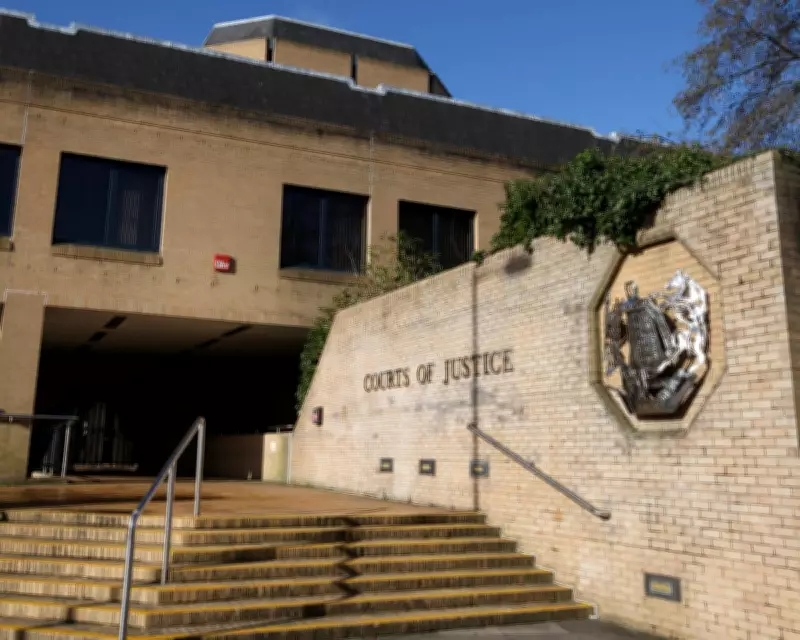
In response to recent coverage of the Fordingbridge case, where the Court of Appeal is reviewing the rape sentences of three teenage boys, a reader has shared their personal experience to urge caution in how the lifelong impact of such crimes is described.
A Similar Experience
The reader, who wishes to remain anonymous, recounts experiencing a remarkably similar crime over 20 years ago: the same number and age of perpetrators, the same incident, and the same court outcome. The key differences were that the reader was younger, and that, mercifully, the incident occurred before the era of social media, so it was not filmed—though word of mouth in the community led to similar name-calling. There was also no public outcry at the outcome, which the reader notes as a sign of progress, albeit too slow, in society's understanding of the impact of these crimes.
Concerns About Discourse
Despite this progress, the reader expresses worry about some of the discourse surrounding the girls in the Fordingbridge case and others who have experienced similar trauma. Comments in print and on social media, attempting to emphasise the severity of the crime, have included statements such as "their lives are ruined" or "they'll never heal."

The reader acknowledges that the impact on their own life can hardly be overstated. They have struggled to make healthy decisions, adopted harmful coping mechanisms, and spent many years feeling numb or creating problems in the present, unable to believe that the pain could still stem from the past event. They have allowed others to treat them poorly, subconsciously modelling a template set by the assault. After over a decade of weekly therapy, partly supported by a specialist charity that saved their life, they continue to discover new, deeply buried ways in which the incident altered their feelings and worldview.
A Message of Hope
However, the reader firmly rejects the idea that their life is ruined. They highlight their wonderful friendships, a successful career in a passionate field, and extensive world travel. They are learning to be at peace with their body and mind, much like learning to live with grief or a chronic illness. Their life has expanded around the pain, and each year they learn better how to manage it and themselves. The ongoing nature of the struggle is not scary or depressing but something to grieve and also part of the rich tapestry of life—just one part of a bigger whole. The future, they assert, is not an eternal tunnel of darkness.
The reader offers advice to the girls in the Fordingbridge case and others in similar situations: they will need a lot of support, time, and space to feel a range of emotions. The reader encourages them to seek out places and people that provide these, and to give time and space to themselves as well. Above all, the reader hopes they can know that there is hope for the lives ahead of them.
A Final Thank You
The reader concludes with a personal note: their primary school teacher was a guardian angel in the aftermath of the crime, and they never had a chance to thank her. Unable to find her online, the reader hopes she might see this letter and reach out.