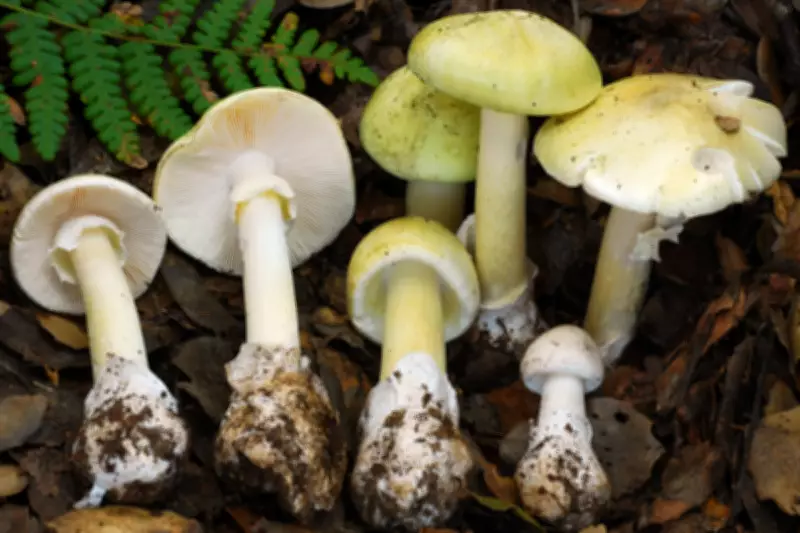
California is experiencing an 'unprecedented' increase in wild mushroom poisonings, with 47 severe cases and four deaths reported statewide since November 2025, according to the Napa County Public Health Officer. Experts believe recent rains have fueled the growth of toxic fungi.
Outbreak Details
Dr. Christine Wu, Napa County Public Health Officer, stated, 'Recent rains have contributed to the resurgence of poisonous wild mushrooms in California, including in Napa. Poisonous mushrooms can look and taste similar to safe mushrooms, and even experienced mushroom hunters have been affected by this outbreak.' Her warning follows the hospitalization of three adults who consumed foraged poisonous mushrooms in the Deer Park area of Napa County.
The California Department of Public Health (CDPH) identified the primary culprits as Death Cap and Western Destroying Angel mushrooms. These contain amatoxins, a group of toxins that can cause severe liver damage and death in serious cases, according to Craig Smollin, medical director of the San Francisco Division of the California Poison Control System.

Symptoms and Risks
Symptoms of mushroom poisoning may not appear for up to 24 hours after ingestion and include nausea, vomiting, diarrhea, and abdominal cramping. Poisonous mushrooms often resemble edible varieties found in grocery stores, posing a serious risk to foragers, especially those from other countries accustomed to different fungi.
Smollin, who also works at UC San Francisco, told SFGATE that California typically sees about five poisoning cases per year on average. 'These cases are a continuation of a mushroom poisoning outbreak that began in November and is continuing for longer than usual. It is also unusually large and widespread,' he said. He attributed the surge to increased rainfall, which may have allowed another crop of mushrooms to emerge. 'It's possible that allowed for another crop of these mushrooms to come up. It's not unheard of that these mushrooms can grow year-round, not just during the rainy season.'
Prevention and Safety
The CDPH advises the best protection is to avoid eating wild mushrooms entirely. Parents should monitor children playing in areas where wild mushrooms grow, and pets should be kept away, as animals can also be poisoned. Importantly, cooking, boiling, freezing, or drying poisonous mushrooms does not render them safe to eat.