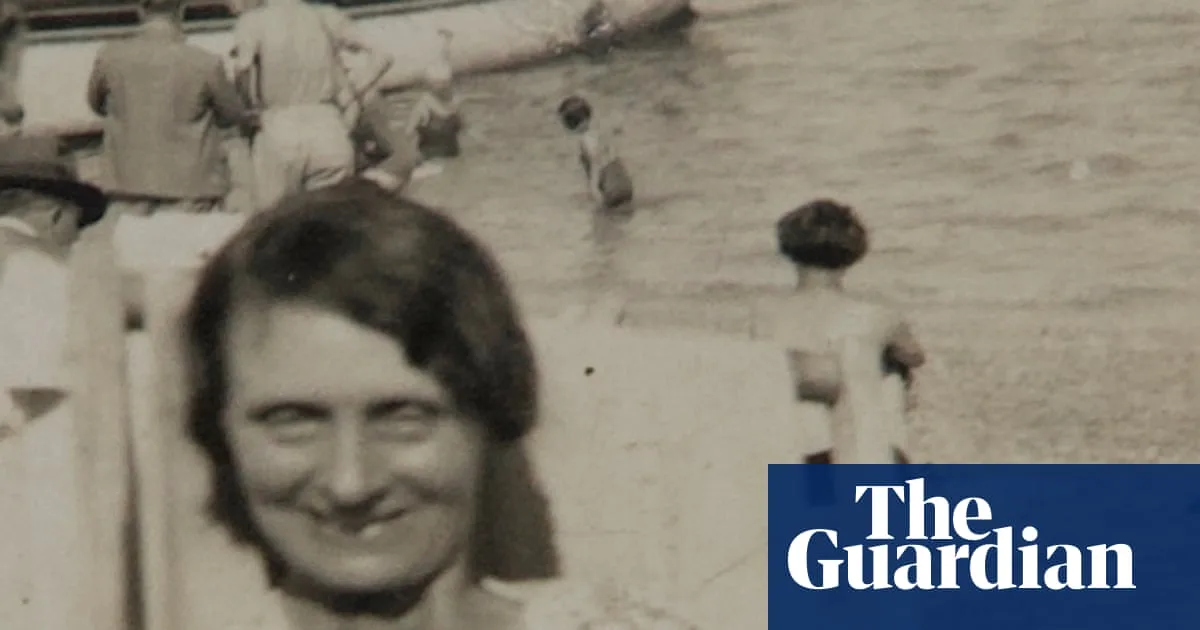
A 92-year-old man has been convicted of raping and murdering a woman in Bristol in 1967, following a cold case review that used DNA evidence to link him to the crime. Ryland Headley was found guilty at Bristol Crown Court of attacking Louisa Dunne, 75, at her home in the Easton area of the city in June 1967. The conviction comes almost 58 years after the murder, which police believe may be the longest gap between a crime and a conviction in modern English policing history.
Headley was caught after Avon and Somerset Police's major crime review team, in an operation codenamed Operation Beatle, re-examined evidence from the case. In 2023, crime review officer Jo Smith reviewed 17 cardboard boxes of paperwork and exhibits from the police archive. She sent items including a blue skirt worn by Dunne and samples of her hair for forensic analysis. Scientist Andrew Parry found semen on the skirt and produced a DNA profile, which matched a sample taken from Headley in 2012 when he was arrested for an unrelated offence but not charged.
Smith described the moment she learned of the DNA match as 'mind-blowing', particularly when she discovered Headley's previous convictions. Shortly after the murder, Headley moved from Bristol, and in 1977 he admitted raping two women aged 79 and 84 in their homes in Ipswich, Suffolk. He was originally jailed for life, but the sentence was reduced on appeal, and he served only about two years in prison.

The cold case team, made up mainly of part-time retired detectives, worked quickly due to Headley's age. Investigator Barry Frayling spent days at Bristol's archives to prove Headley lived in the city at the time of the murder. The team also traced original investigating officer Bob Day and the doctor who attended the scene, Norman Taylor, who described the murder's lasting impact. Statements from Dunne's neighbours in 1967 described hearing screams on the night of 27 and 28 June.
Police are now working with the National Crime Agency to investigate whether Headley may be responsible for other unsolved attacks. The granddaughter of Louisa Dunne expressed relief, saying: 'I never believed they'd be able to trace him.'