Brazil's Supreme Court to Rule on 2018 Killing of Rio Councilwoman Marielle Franco
A five-judge panel of Brazil's Supreme Court is poised to deliver a landmark ruling on Wednesday regarding the future of five suspects accused of orchestrating the 2018 killing of Rio de Janeiro councilwoman Marielle Franco and her driver Anderson Gomes. This high-profile case continues to evoke strong emotions across Brazil, a nation grappling with deep political divisions and ongoing debates over justice and human rights.
Suspects and Charges in the Marielle Franco Case
The individuals on trial for the murder of the 38-year-old human rights activist turned politician include former congressman Chiquinho Brazão; his brother Domingos Brazão, who served on a Rio government watchdog body; his assistant Robson Calixto Fonseca; police investigator Rivaldo Barbosa; and former police officer Ronald Paulo Alves Pereira. All five suspects have vehemently denied any involvement in the councilwoman's death, which occurred in a drive-by shooting that also injured her press officer, who survived the attack.
The Brazão brothers and assistant Fonseca face charges of forming a criminal organization, while four of the suspects are accused of double murder and one of attempted murder. Prosecutors allege that many of these charges stem from plea bargain agreements signed with former police officers Ronnie Lessa and Élcio Queiroz, who were sentenced in October 2024 to 78 and 59 years in prison, respectively, for their roles in the killings.

Key Figures and Political Context
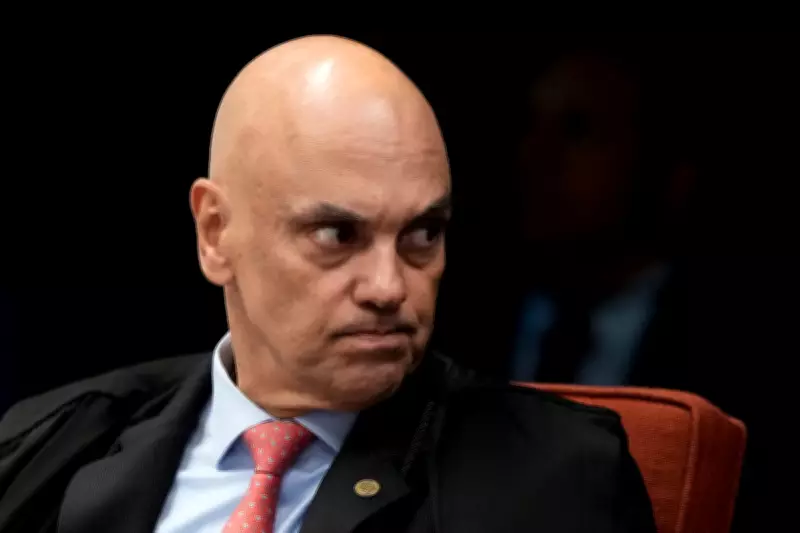
Justice Alexandre de Moraes, who recently presided over the coup case that led to the imprisonment of former President Jair Bolsonaro, will be the first to cast his vote in this trial. Bolsonaro's allies and supporters have long targeted Franco's legacy and the tributes paid to her since her death, highlighting the polarized nature of Brazilian politics.
The trial commenced on Tuesday with deputy Attorney-General Hindenburgo Chateaubriand arguing for the conviction of all five suspects. Chateaubriand asserted that the Brazão brothers led a criminal organization primarily aimed at Marcelo Freixo, a politician and current head of Brazil's government tourism agency, because he interfered with their business interests. Franco had previously worked with Freixo before her election as councilwoman in 2016.
Broader Implications and International Calls for Justice
Investigations have linked the Brazão brothers, who were arrested in 2024 as alleged masterminds of the crime, to vigilante groups known as militias, which often clashed with Franco's advocacy work. This case underscores broader issues of systemic violence and corruption in Brazil.
On Monday, United Nations experts in Geneva issued a statement calling for "justice and remedy for all victims of pervasive systemic racism, structural discrimination and violence in Brazil," emphasizing the international scrutiny on this trial. The outcome is expected to have significant ramifications for Brazil's judicial system and its ongoing struggles with political violence and human rights abuses.