Exclusive documents obtained by Guardian Australia have revealed that controversial comments made by police in the aftermath of Hannah Clarke's murder were part of a deliberately planned media strategy that authorities admit "went wrong."
The Botched Media Strategy
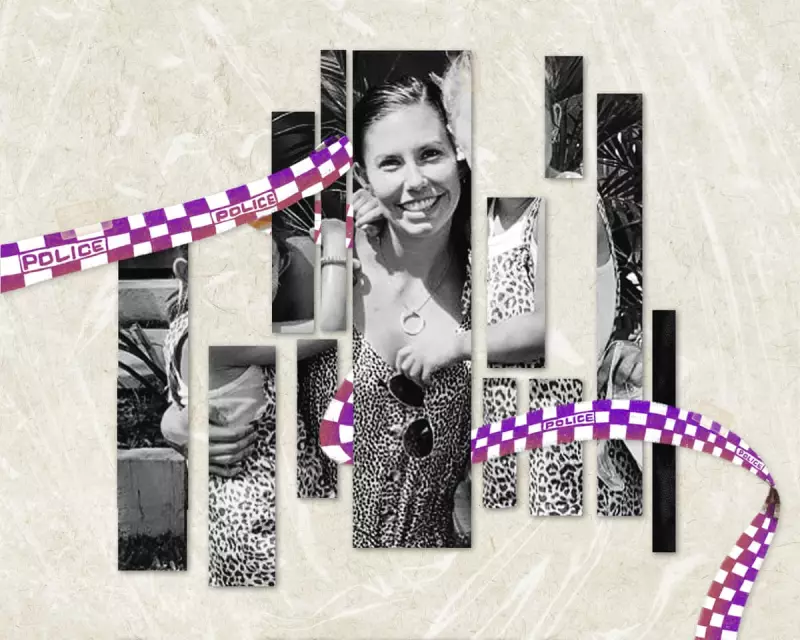
In February 2020, the nation was horrified when Hannah Clarke and her three children were murdered by her former partner in a brutal act of domestic violence in Brisbane. In the days following the tragedy, a detective's comments appeared to shift blame toward Clarke, suggesting she might have had "supporters" of her killer.
Newly uncovered documents show these remarks were not spontaneous but part of a calculated police effort to flush out supporters of the killer. The strategy backfired spectacularly, causing widespread public outrage and adding to the trauma of Clarke's grieving family.

Wider Implications and Public Outcry
The revelation has sparked fresh criticism of police handling of domestic violence cases. Victims' advocates have condemned the approach as dangerous and irresponsible, arguing that any suggestion of victim blaming can deter other domestic violence survivors from coming forward.
The documents confirm what many suspected at the time - that the comments were intentional rather than off-the-cuff remarks. Police authorities have since acknowledged the strategy was poorly conceived and executed, though they maintain the intention was to gather intelligence rather than blame the victim.
Ongoing Reforms and Accountability
This disclosure comes amid ongoing reforms in how Australian police handle domestic violence cases. The case prompted multiple investigations and coronial inquests that have led to significant changes in police training and protocols.
The Clarke family has been instrumental in pushing for these reforms, establishing a foundation in Hannah's name to support domestic violence victims and educate the public about coercive control, which was a key factor in her case.
As the documents shed new light on this tragic case, they raise important questions about police media strategies and the delicate balance between investigation and victim sensitivity in high-profile domestic violence cases.