Notorious 'Prime Evil' Apartheid Commander Testifies at South African Killings Inquiry
Apartheid Commander 'Prime Evil' Testifies at Killings Inquiry

One of South Africa's most infamous apartheid police commanders has provided testimony at a new inquiry into the 1985 killings of four anti-apartheid activists, as the nation intensifies its scrutiny of atrocities committed by security forces during the era of forced racial segregation.

Eugene de Kock Denies Involvement in Cradock Four Case

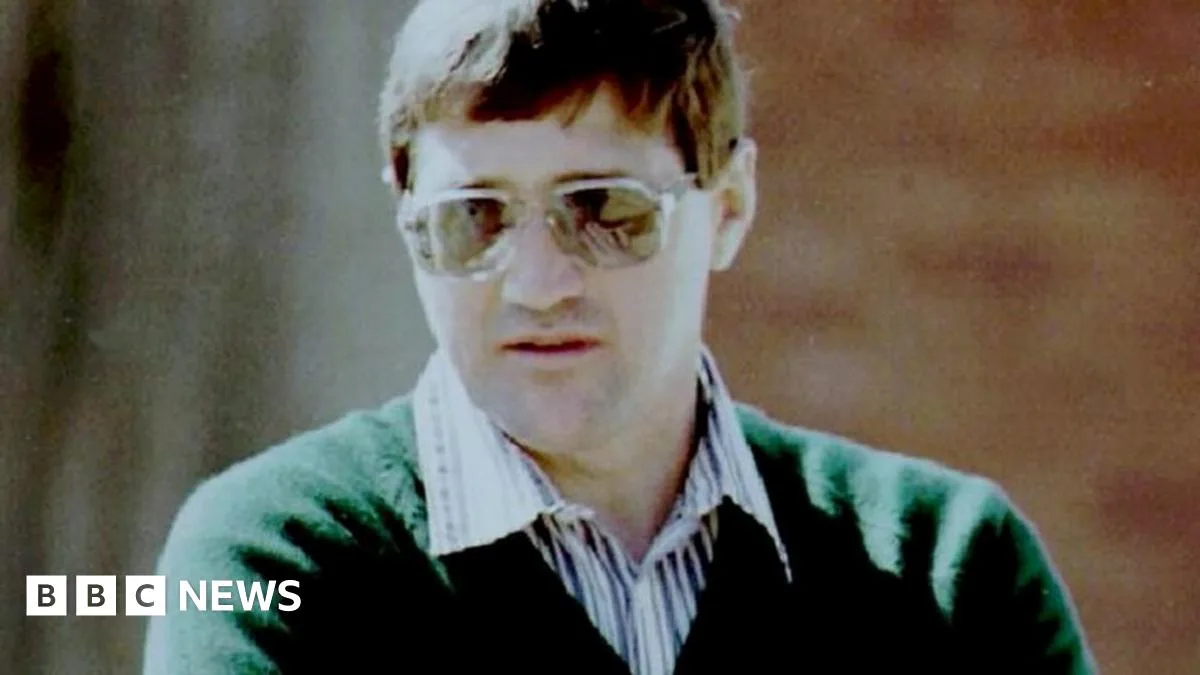
Eugene de Kock, notoriously dubbed "Prime Evil" for his role in the deaths of anti-apartheid activists, appeared before the inquiry on Monday. He denied any personal involvement in the prominent case of the Cradock Four, a group of activists whose murders shocked the nation. However, de Kock disclosed that police at the time maintained photographs of approximately 6,000 anti-apartheid activists, whom they classified as "known terrorists." According to his testimony, these individuals were to be tracked and killed if arrest was deemed impossible, though he asserted the Cradock Four were not included in this list.

Details of the Cradock Four Killings

The Cradock Four—Matthew Goniwe, Fort Calata, Sicelo Mhlauli, and Sparrow Mkonto, three of whom were teachers—were abducted by police at a roadblock and subsequently killed. Their bodies were discovered burned, marking one of the most horrifying incidents of the apartheid period. De Kock testified that one of the police officers implicated in the killings approached him for assistance in covering up the crime, specifically requesting another firearm and inquiring about interfering with ballistics evidence.

Wide Pickt banner — collaborative shopping lists app for Telegram, phone mockup with grocery list

De Kock's Background and Current Testimony

During apartheid, de Kock commanded a special counterinsurgency police unit. In 1996, he was convicted of murder, kidnapping, and other charges related to the abduction, torture, and killing of activists, receiving two life sentences plus an additional 212 years in prison. He was released on parole in 2015. Now 77 years old, de Kock was escorted by police guard to a court in Gqeberha, the southern city where the Cradock Four were killed. His image was blurred in the official video broadcast after a judge ruled against showing him, a decision supported by the Foundation for Human Rights, which represents some of the victims' families.

Historical Context and Previous Inquiries

Two prior inquiries into the Cradock Four case, conducted during apartheid, were widely suspected of being cover-ups. The first, initiated in 1987, concluded that the men were killed by unknown individuals, while the second, started in 1993, found they were killed by unnamed police officers. The latest inquiry, launched last year under pressure from families, aims to uncover the truth. Six former policemen implicated in the killings were never prosecuted, despite being identified and denied amnesty during South Africa's post-apartheid Truth and Reconciliation process in the late 1990s; all six have since died.

Broader Investigations into Apartheid Atrocities

In recent years, South African authorities have reopened other investigations into apartheid-era atrocities. These include the 1967 death of Nobel Peace Prize winner Albert Luthuli, the 1981 killing of lawyer Griffiths Mxenge, and the 1977 death in police custody of iconic anti-apartheid figure Steve Biko. Additionally, South African President Cyril Ramaphosa ordered a separate inquiry last year to determine whether post-apartheid governments, led by his party, intentionally obstructed investigations and prosecutions of crimes from the apartheid era.

Pickt after-article banner — collaborative shopping lists app with family illustration