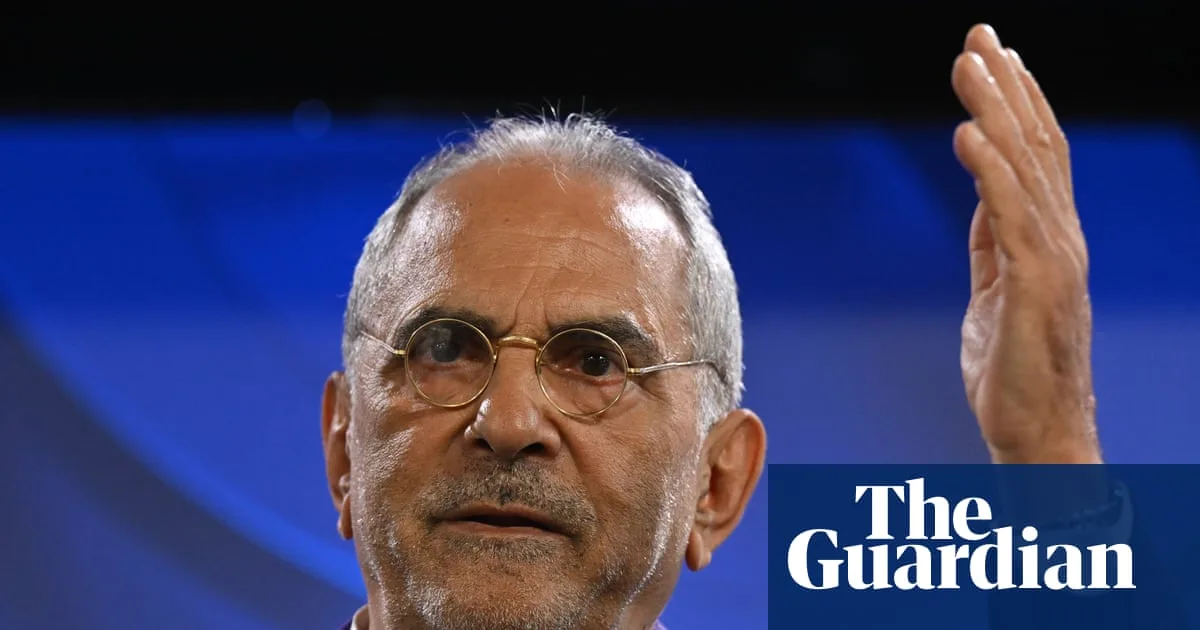
Timor-Leste is vulnerable to “infiltration by foreign organized crime”, the country’s president, José Ramos-Horta, has warned. His comments follow a joint investigation by the Guardian and the Organised Crime and Corruption Reporting Project that revealed an alleged connection between three individuals involved in a proposed “blockchain theme” resort project in Dili and the Cambodia-based Prince Group, which was sanctioned by the US and UK governments in October.
Australian federal police have confirmed they are providing support to local law enforcement in Timor-Leste, including a December 2025 visit from the agency’s digital forensic and cyber experts. “The AFP is increasing its focus on cybercrime and digital forensics capability development within the region in response to the threat of online scam centres,” a spokesperson said.
Last year the UN issued a warning about the risk of unnamed scam networks infiltrating Timor-Leste, following the raid of an alleged unrelated scam operation in Oecusse in August. In a statement published on the president’s website on Wednesday, Ramos-Horta said: “Together with the government and our entire society, we remain alert to the dangers of organized crime.” However, he added that he could not accept information that comes “merely from media reports or from certain individuals in Timor-Leste”, and said he did not currently see any organised crime installed in the country.

The Prince Group’s founder, Chen Zhi, was indicted by the US for alleged wire fraud conspiracy and money laundering conspiracy, and billions of dollars in bitcoin was seized. In January, Chen was extradited to China. A spokesperson for the Prince Group denied the US and UK allegations, describing them as “nothing more than a cash grab” and saying neither Chen nor the group had any knowledge or connection to Timor-Leste. The inclusion of speculation around Chen and Prince in the reporting was “salacious rumor-mongering with no foundation”, the spokesperson said.
The three individuals involved in the proposed resort project were sanctioned by US authorities in October for their alleged involvement in another real estate development connected to Prince Group. They have not been charged, and there is no allegation the Timor-Leste project received Prince Group funds. Current shareholders in the project denied any involvement with organised crime and said the three had been dismissed after the sanctions were announced. Lin Xiaofan, an investor and the face of the resort, is not sanctioned or accused of wrongdoing. He said all his activities in the country had been conducted “within a legal and compliant framework”. Ramos-Horta said he welcomed Lin “just as I welcome any investor from countries across Asia and Europe”.