Brazilian police have captured a 'narco-submarine' in the Amazon, days before it was due to embark on a three-week transatlantic voyage carrying hundreds of millions of pounds' worth of cocaine to Europe. The vessel, found in a secret dockyard on the island of Marajó, highlights the extreme risks taken by poorly paid crews who operate these 'propeller-driven coffins'.
Federal police chief Fernando Casarin described the journey as 'insane', questioning whether the sailors display great courage or a total lack of awareness. The sub, a handmade semi-submersible, would have travelled just under the surface with only its cockpit visible, at about 16km/h.
Colombian drug lords pioneered narco-subs in the 1980s for smuggling cocaine to the US via the Caribbean. More recently, crime bosses have commissioned fibreglass vessels to ship large hauls across the Atlantic to Portugal and Spain. The profits are astronomical: a kilo of cocaine bought for $1,000-$2,000 in Brazil can sell for $60,000 in Europe, with a successful sub carrying 5-6 tonnes netting $200m-$250m.

Javier Romero, a Spanish journalist, notes an uptick in activity, with Spanish police receiving more than five narco-sub alerts per month this summer, compared to one every three months previously. In September, Spanish police seized 3,500kg of cocaine delivered to Galicia, though the sub escaped.
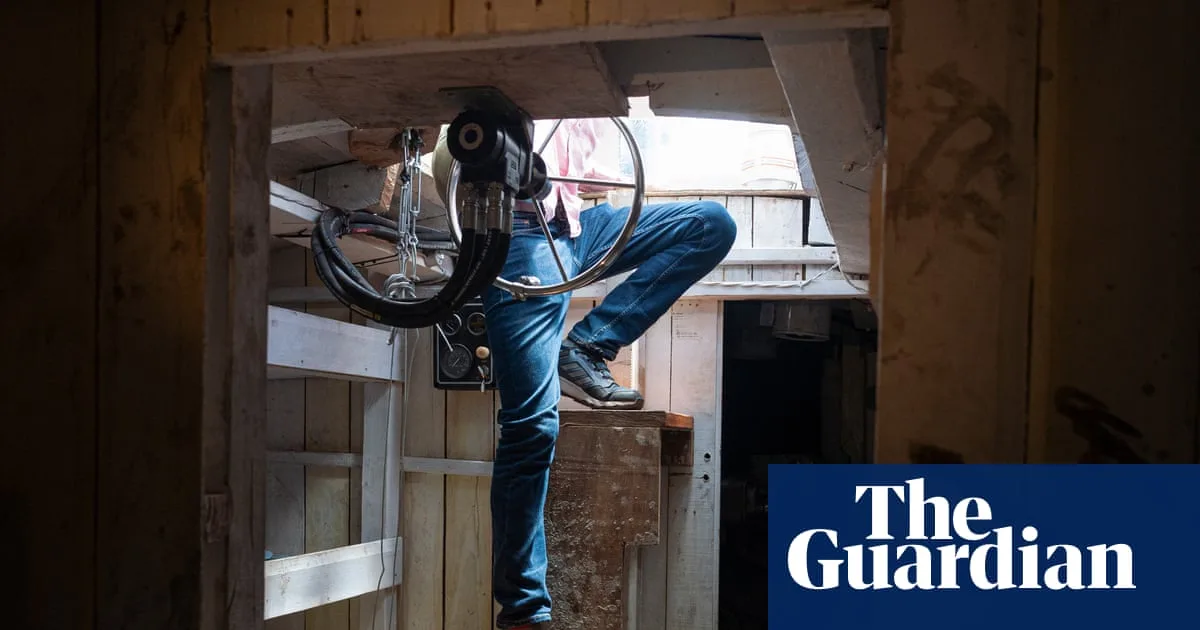
The Guardian was given access to the 60ft vessel, describing it as cramped and claustrophobic, with two narrow wooden bunk-beds and a plastic windscreen. Osvaldo Scalezi, head of the federal police's anti-drug division, said suffocation from engine exhaust gases is a greater risk than drowning. The only comforts were a 700-litre water tank, a freezer, and a portable air-conditioning unit.
Casarin compared the crew's voyage to the Apollo moon landing, underscoring the death-defying nature of the expedition. The identities of the sailors and what drove them to accept such missions remain a mystery.