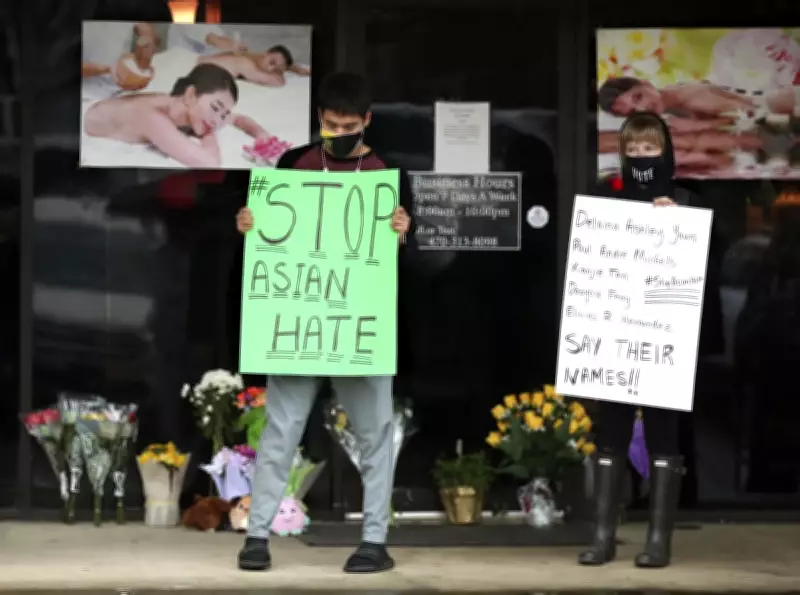
Stop Asian Hate Movement at a Crossroads Five Years After Atlanta Spa Shootings
Five years ago, a gunman launched a shooting rampage at three spas in the Atlanta area, killing eight people, including six Asian women. The attacks on 16 March 2021 sent shockwaves through Asian communities already grappling with a surge in violence during the Covid-19 pandemic. This tragedy, following a series of assaults targeting Asian seniors, ignited widespread protests, mutual aid efforts, and significant policy changes. For a time, the Stop Asian Hate movement appeared poised to become a defining social justice cause of the 2020s.
Initial Momentum and Policy Achievements
Hostility toward Asian Americans peaked in early 2020 as the pandemic lockdown began and then-President Donald Trump labeled Covid-19 the "Chinese virus." Reports emerged of Asian individuals being shunned, spat on, bullied, and beaten in public, with racial slurs used freely. In response, a coalition in California's Bay Area formed the Stop Asian Hate campaign to document discrimination and harassment. Between 2020 and 2024, the initiative recorded nearly 13,000 reports of anti-Asian hate incidents and attracted over 2.4 million unique visitors to its website.
The campaign "galvanized political power," according to Manjusha Kulkarni, executive director of AAPI Equity Alliance and a co-founder of Stop AAPI Hate. This led to legislative wins, including a historic $156 million investment in California for victim support, mental health, and educational resources. States like Illinois and New Jersey passed laws requiring Asian American history to be taught in public schools. Community efforts also flourished, with volunteers forming patrol groups in Chinatowns and self-defense classes being offered to women.

Ideological Divides and Internal Challenges
However, the movement faced internal divisions from the start. Younger, reform-minded activists advocated for non-carceral, community-based solutions, while older business and political leaders supported tough-on-crime policies. For instance, the creation of an Asian hate crime taskforce by the New York police department drew criticism from progressive organizers for expanding "systems of criminalization." Similarly, when actors offered rewards for information on attackers, local organizers likened it to placing bounties on Black and Brown men.
Progressive critics argued that the movement often perpetuated anti-Blackness by highlighting perpetrators of color in media reports, despite research showing most attackers are white. Dylan Rodríguez, an ethnic studies professor, noted that the campaign "consistently allied itself with anti-Black narratives" by selectively focusing on street-level violence. Phi Nguyen, former executive director of Asian Americans Advancing Justice – Atlanta, added that framing violence as individualized rather than systemic was shortsighted, calling for more investment in mutual aid and language access programs instead of increased policing.
Current Challenges Under Trump's Second Term
The movement, which gained momentum during the Biden administration, now faces new hurdles under Donald Trump's second term. Trump has cut diversity and inclusion programs and funding for non-profits, including many led by Asian Americans. Media outlets like NBC Asian America, which covered AAPI issues extensively, have shuttered, reducing visibility for the cause. Recent events, such as a controversial ruling in the case of Vicha Ratanapakdee—an 84-year-old man whose killing fueled protests—have reignited debates but also highlighted ongoing struggles.
Connie Wun, executive director of AAPI Women Lead, pointed out that everyday realities for Asian women, immigrants, and refugees have worsened. ICE arrests of Asians under Trump are nearly four times higher than under Biden, and half of Asian adults report being impacted by anti-immigrant policies. Wun emphasized that state violence, such as these raids, constitutes anti-Asian hate but was largely overlooked during the pandemic reckoning.

Building a Sustainable Future for the Movement
Activists are now calling for a more sustainable approach that addresses root causes of racial violence. This includes fostering intergenerational conversations, developing justice visions that exclude law enforcement, and tackling inequities among diverse Asian ethnic groups. The Stop AAPI Hate coalition continues to track hate incidents and engage in political advocacy, including a class-action lawsuit against the justice department over terminated public safety grants.
Hopeful outcomes include the establishment of rapid response networks and emergency funds for victims. For example, when ICE raided a Hyundai plant in Georgia last year, organizers quickly delivered resources to detainees. Nguyen stressed that the fight against anti-Asian violence must be integrated into broader antiracist movements, advocating for an "interracial and intersectional movement that's connected to history." As the movement navigates this crossroads, its legacy lies in highlighting the experiences of Asians in America, particularly vulnerable groups, while pushing for lasting change.