Perth Invasion Day Rally Bomb Scare Investigated as Potential Terrorist Act
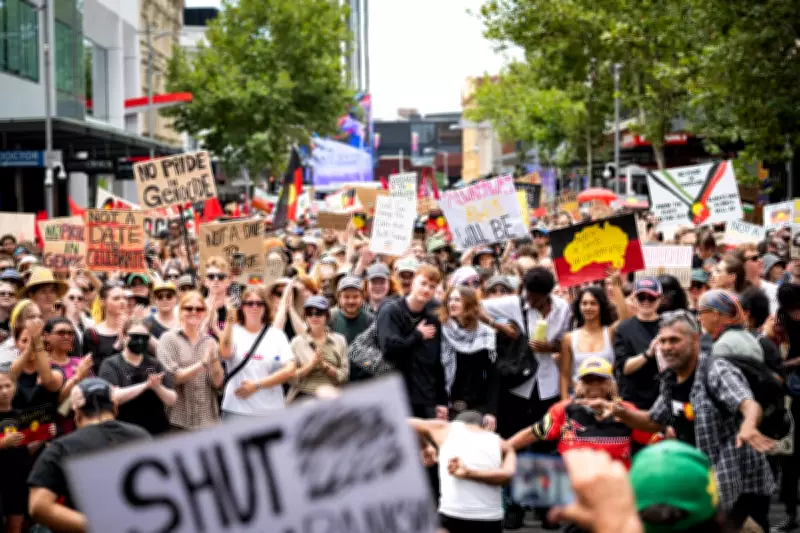
Approximately 2,500 people gathered for the Invasion Day rally in central Perth's Forrest Place, an event that turned from peaceful protest to potential tragedy when a homemade explosive device was thrown into the crowd. The incident, which occurred on 26 January, is now being investigated by Australian federal authorities as a potential terrorist act, though members of Perth's Indigenous community say the response has left them feeling vulnerable and disregarded.
Device Had Potential to Cause Mass Casualties
Initially mistaken for discarded rubbish or an empty coffee cup, the object thrown from a balcony into the crowded square was revealed to be a homemade bomb with the capacity to explode and cause serious injury or death to multiple people. Police have confirmed the device had the potential to harm many individuals, particularly given its landing zone was reserved for vulnerable attendees including parents with prams, wheelchair users, and community elders.
Nadine Highfield, a Wangkatha woman who attended the rally with her sister, described the terrifying moment when dozens of police officers suddenly rushed toward the stage area. "Where it landed, those are people in wheelchairs. There were babies and prams. Like, it wouldn't have been people maimed – they would have died," Highfield said, emphasising the device's proximity to children at eye level with the explosive.

Community Reeling from Attack and Perceived Silence
The incident has sent shockwaves through Aboriginal and Torres Strait Islander communities across Western Australia and nationwide, with many expressing dismay at what they perceive as inadequate public outrage and media coverage. Highfield described the situation as "very surreal" and akin to "upside down land, where really bad things happen but it's not a big deal if it happens to Black people."
Tanesha Bennell, a 25-year-old Noongar traditional owner, highlighted the additional trauma caused by what community members see as delayed and insufficient condemnation from political leaders. While Western Australian Premier Roger Cook addressed the incident alongside police officials, and Prime Minister Anthony Albanese followed with statements in subsequent days, formal recognition of the event as a potential terror incident took more than 48 hours to materialise.
"There's an ongoing gaslighting, it feels, from media and government," Bennell stated. "It's like our trauma is being denied before we've even begun to process it."
Police Response and Community Relations Under Scrutiny
A 31-year-old Perth man has been arrested and charged with two offences related to the incident, including intent to do harm in a manner endangering life, health, or safety, and making or possessing explosives under suspicious circumstances. The Australian Federal Police, ASIO, and the Western Australian joint counter-terrorism team are now jointly investigating the matter as a potential terrorist act.
Community organisers have raised concerns about police response times and whether the incident is being properly investigated as a potential hate crime. Approximately twenty Perth elders met with WA Police Commissioner Col Blanch to discuss these concerns, with attendees including Dr Jim Morrison of Yokai, an organisation supporting Stolen Generations survivors.
Roxanne Moore, one of the rally's organisers, criticised the perceived media silence following the incident, stating "racism is killing our people in this country, systemically and directly." Moore reported that many community members now feel afraid to leave their homes, though she emphasised that "they can't break our 'wirin' (spirit)."
Broader Context of Rising Tensions
The bomb scare occurs against a backdrop of increasing concerns about white nationalism and racist sentiment in Western Australia, compounded by recent events including a death in custody in Kalgoorlie and the cancellation of a Survival Day festival preceding 26 January. Dr Morrison suggested that "the referendum has created a lot more racists than we thought," while also noting that incidents elsewhere in Australia have put communities on edge.

The slow evacuation from Forrest Place following the incident has been partly attributed to existing mistrust between Indigenous communities and police forces. Bennell explained that "mob don't have good relationships with police and when we're having all these big feelings and trying to heal and mourn together, and then we see all of these police in uniforms. It's so distressing for some of our community."
As investigations continue, Indigenous Australians affected by the event are being directed to crisis support services, while community leaders emphasise the need for greater recognition of the trauma experienced and more robust protections for First Nations people participating in public demonstrations.