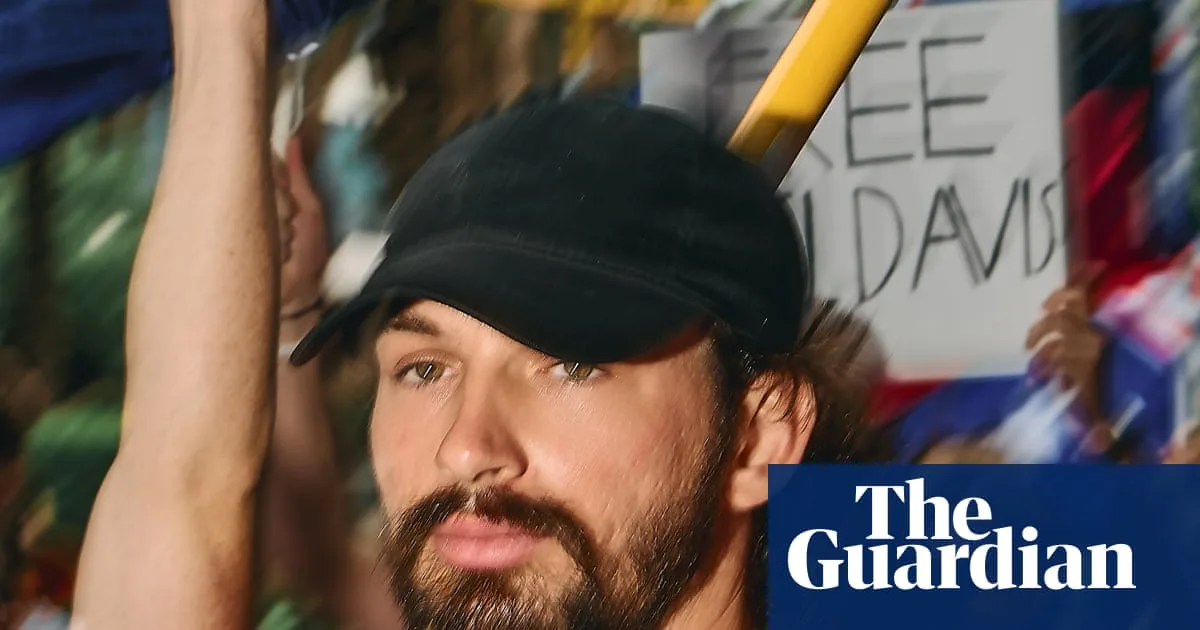
A man who endorsed neo-Nazi views and made antisemitic remarks at an Australia Day rally in Sydney has been sentenced to 12 months in prison. Brandan Koschel, 34, attended the anti-immigration March for Australia protest in the city centre before taking the stage and delivering a 40-second speech in which he referred to Jews as the 'greatest enemy'.
Koschel was arrested immediately after his speech, which also included neo-Nazi symbolism and a salute to white Australia and Thomas Sewell, leader of the disbanded National Socialist Network. He called for the release of jailed neo-Nazi Joel Davis.
At Downing Centre Local Court on Wednesday, Magistrate Sharon Freund described the speech as 'clearly antisemitic' and noted that Koschel intended to incite hatred against the Jewish community. She criticised the offensive language and said the Jewish community was particularly vulnerable following a rise in antisemitic attacks, including the Bondi Beach massacre during a Hanukah celebration in December, which left 15 dead.
Freund emphasised that a clear sentencing response was necessary to convey that hatred directed at Jewish people would not be tolerated. Koschel, who showed no remorse or insight into his offending, received a discount for his early guilty plea. His non-parole period of nine months will expire on 25 October.