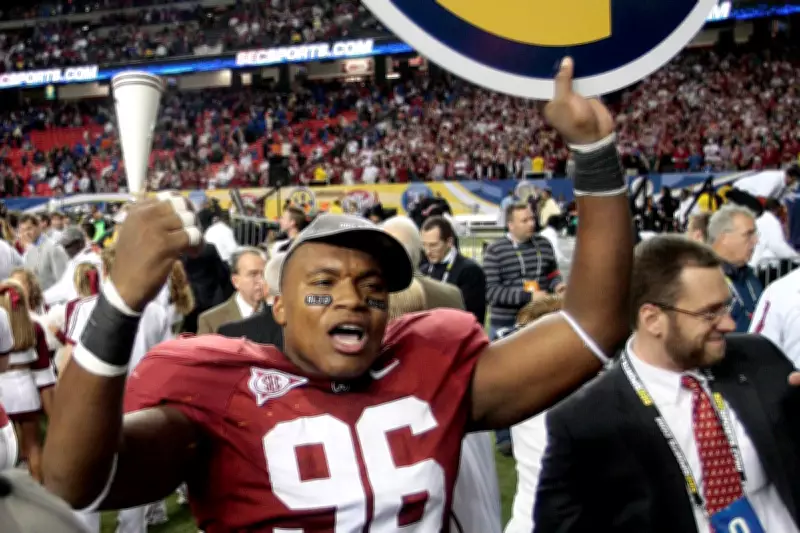
A former defensive tackle at the University of Alabama has pleaded guilty to defrauding investors of millions of dollars by using makeup and wigs to impersonate NFL players during video calls.
Guilty Pleas Entered in Atlanta Federal Court
Luther Davis, 37, entered guilty pleas on Monday in federal court in Atlanta to one count of conspiracy to commit wire fraud and one count of aggravated identity theft. CJ Evins, 29, who was accused of executing the scheme alongside Davis, also pleaded guilty to the same two charges.
Both men left the courthouse without commenting to reporters. U.S. District Judge Steven Grimberg scheduled sentencing for Davis in October and for Evins in August. Each faces up to seven years in prison, though prosecutors have agreed to recommend a lower sentence as part of the plea deals.

Details of the Fraudulent Scheme
In court on Monday, Assistant U.S. Attorney C. Brock Brockington explained that the men used fake bank and email accounts to convince lenders they were either acting on behalf of specific athletes or were the athletes themselves. They later sought to impersonate higher-profile players with larger contracts, according to prosecutors.
Security personnel for the players' union discovered that athletes' contracts had been used as collateral for the loans, Brockington said.
Davis wore disguises on multiple video calls with investors in 2024, pretending to be three different NFL players. On one call, he wore makeup and a wig; on another, just a wig; and on a third, a do-rag-style head covering, prosecutors said. The players were identified only by their initials in court documents.
None of the NFL players had authorized Davis or Evins to obtain loans on their behalf. In addition to wearing disguises, Davis used fake driver's licenses with photos of the players that were publicly available online, prosecutors said.
Financial Impact and Use of Stolen Funds
The scheme generated nearly $20 million from at least 13 fraudulent loans. Davis and Evins used the proceeds to purchase real estate, jewelry, and cars, according to a criminal complaint filed last month.
Davis was a national champion with the Alabama Crimson Tide in 2010. The case highlights the lengths to which fraudsters will go to deceive investors and the importance of verifying identities in financial transactions.