Major Blow to Organised Crime as Brazilian Police Target Multi-Billion Dollar Fraud
In a significant move against financial crime, Brazilian police have initiated a sweeping operation to dismantle a colossal tax evasion and money laundering scheme deeply embedded within the nation's fuel sector. The operation, launched on Thursday, 27th November 2025, targets what authorities describe as the country's largest tax debtor, with outstanding liabilities exceeding 26 billion reais ($4.8 billion).
Nationwide Raids and Complex Financial Web
Law enforcement officials are executing 126 search and seizure warrants across five Brazilian states, aimed at both individuals and corporate entities linked to the illicit network. According to Brazil's Federal Revenue service, the organisation employed a sophisticated structure of shell companies, domestic investment funds, and offshore entities to conceal and protect its enormous profits.
While officials have not publicly named the specific targets, prominent local media outlets have reported that the investigations involve Grupo Fit, a major fuel refinery. Attempts by The Associated Press to secure comment from Grupo Fit were not immediately successful.

Links to Brazil's Most Notorious Crime Syndicate
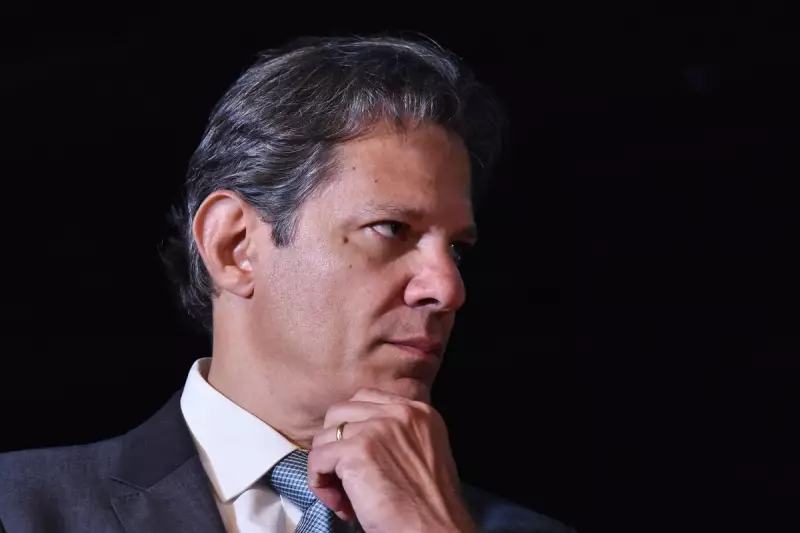
Finance Minister Fernando Haddad clarified that Thursday's crackdown is a direct result of a broader government offensive against criminal infiltration of Brazil's fuel supply chain. This initiative began in earnest back in August, when authorities identified 40 fuel-sector investment funds allegedly used to hide assets for members of the First Capital Command (PCC).
The PCC stands as Brazil's most formidable organised crime group. Originally established in 1993 by inmates at São Paulo's Taubaté Penitentiary to protest prison conditions, it rapidly evolved into a powerful syndicate directing vast drug trafficking and extortion operations. In recent years, the gang has systematically diversified its illicit investment portfolio.
International Dimension: The US Connection
Minister Haddad revealed that subsequent probes uncovered a clear pattern of capital flight, which involved establishing investment funds in the United States. Federal authorities traced over 15 US-based offshore entities that funnelled roughly 1 billion reais ($186 million) back into Brazil to purchase equity stakes and real estate.
He specifically highlighted Delaware as a hub for these money-laundering activities, labelling it "a tax haven in the United States" exploited for "a serious international triangulation scheme." One of the group's most recent manoeuvres involved sending a staggering 1.2 billion reais ($223 million) to funds in that state.
"The scheme works like this," Haddad explained. "Loans are issued to these funds — loans suspected of never being repaid — and the money then returns to Brazil as supposedly legal investments in economic activities. But the money sent abroad is not legitimate."
Call for Global Cooperation
Amid ongoing tariff negotiations with US President Donald Trump, Finance Minister Haddad stated he has pledged to President Luiz Inácio Lula da Silva to pursue deeper international cooperation with the United States in the fight against organised crime and money laundering. This case underscores the increasingly transnational nature of sophisticated financial crime and the pressing need for cross-border judicial and regulatory collaboration.