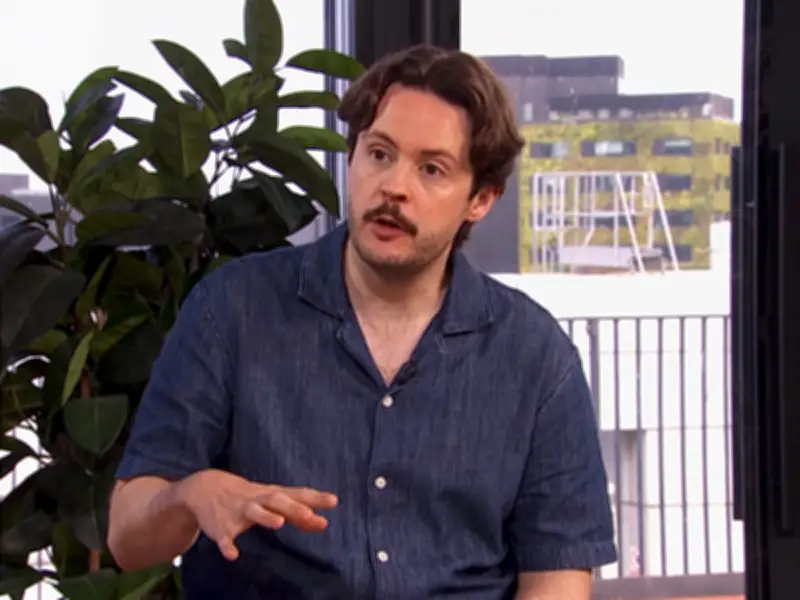
BBC Scam Interceptors expert Nick Stapleton has issued an urgent warning about a fraudulent dementia drug being promoted as a 'breakthrough'. Appearing on BBC Morning Live, a visibly angry Stapleton cautioned viewers not to share their personal details, stating the adverts are 'totally fake'.
How the Scam Works
The in-depth online adverts mimic BBC reports, falsely claiming a miracle cure for dementia. Stapleton explained: 'This is completely fake. This is nothing to do with the BBC at all. The video goes on for 15 minutes, promoting the supposed effects of this breakthrough drug. It falsely claims it can reverse dementia, which is cruel because there is currently no cure.'
The video features deepfakes of celebrities like Clint Eastwood and Denzel Washington, as well as genuine dementia specialist Professor Katherine Mummery, all falsely endorsing the product. Stapleton added: 'These are deep fakes. These guys have got nothing to do with this at all. They do not endorse this product.'
Fake Comments and False Hope
Scammers also fabricate social media comments to build credibility. Stapleton showed examples: 'You see comments like “Very well explained... Doctor, you’ve helped me a lot” or “I started applying your techniques 5 days ago and already feel like a different person.” None of that is real.'
How to Spot the Scam
Stapleton advised checking the source of information. 'If you’ve seen it on a click-through from social media, it’s highly likely to be a scam. Look at the website address—if it’s a random website, it’s not legitimate. For real medical advice, go to the NHS site. For news, use legitimate news websites.'