Massive Fraud Erodes Confidence in Minnesota's Social Programmes
Public confidence in Minnesota's social safety net has been profoundly shaken after authorities uncovered staggering fraud schemes that stole more than $1 billion in taxpayer money. The funds were intended for vital programmes supporting low-income children, the homeless, and autistic children, but were instead funnelled to criminals who never provided the services.
The Three Fraud Schemes and Their Fallout
Federal prosecutors have described three separate fraud operations, leading to charges against 86 individuals. So far, 59 people have been convicted. A central case involved the non-profit Feeding Our Future, which claimed to serve tens of thousands of meals to children during the pandemic. Prosecutors allege the vast majority of these meals never existed.
Instead of feeding children, the money was used to purchase luxury homes, high-end cars, expensive jewellery, and real estate abroad. The scale of the theft is so vast that one housing initiative ballooned from a budgeted $2.6 million to an astonishing $104 million, primarily due to fake billing. Hundreds of providers were reimbursed for services that were never rendered.

Political Repercussions and Community Impact
The scandal has ignited a political firestorm. Former President Donald Trump criticised Governor Tim Walz, accusing Minnesota of becoming 'a hub of fraudulent money laundering activity.' Trump suggested perpetrators be 'sent back to where they came from' and announced plans to revoke the temporary protected status of approximately 700 Somali nationals.
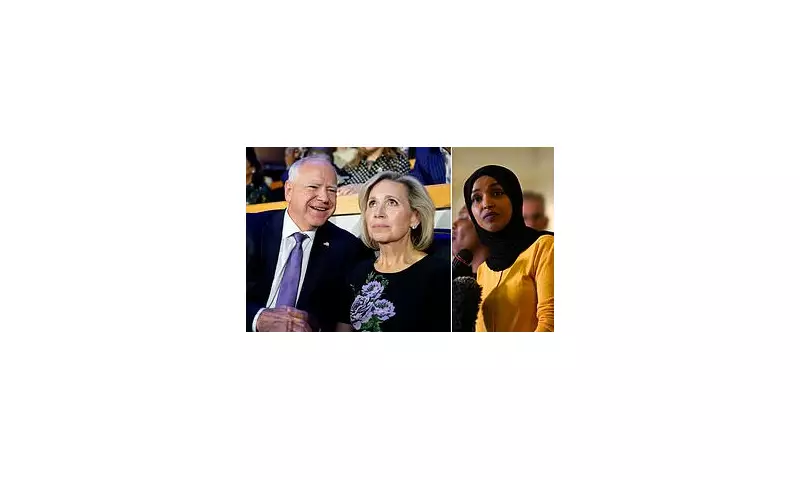
Governor Walz, who is seeking a third term, defended his administration's actions, stating they prioritised getting funds to people quickly during the pandemic. 'The programs are set up to move the money to people,' Walz told The New York Times. 'The criminals find the loopholes.' In response, he has created a new task force and plans to deploy AI tools to detect suspicious transactions.
The fraud has had a devastating impact on Minnesota's Somali community, which numbers around 80,000. Community members fear the actions of a few have unfairly tarnished the reputation of the entire community. Congresswoman Ilhan Omar, who represents Minnesota's 5th district, stated, 'We do not blame the lawlessness of an individual on a whole community.'
How the Fraud Went Unchecked
One reason the schemes persisted for years was the alleged use of racial identity to pressure officials. When Minnesota Department of Education staff grew suspicious of skyrocketing invoices in 2020, Feeding Our Future threatened a lawsuit accusing the state of racism if it did not fast-track approvals for 'minority-owned businesses.' The state backed down, and the fraud continued.
Federal prosecutor Joseph H Thompson summarised the grave consequences, telling The Times, 'No one will support these programs if they continue to be riddled with fraud. We're losing our way of life in Minnesota in a very real way.' As the cases continue, the message from authorities is clear: commit fraud against public funds, and you will go to prison.