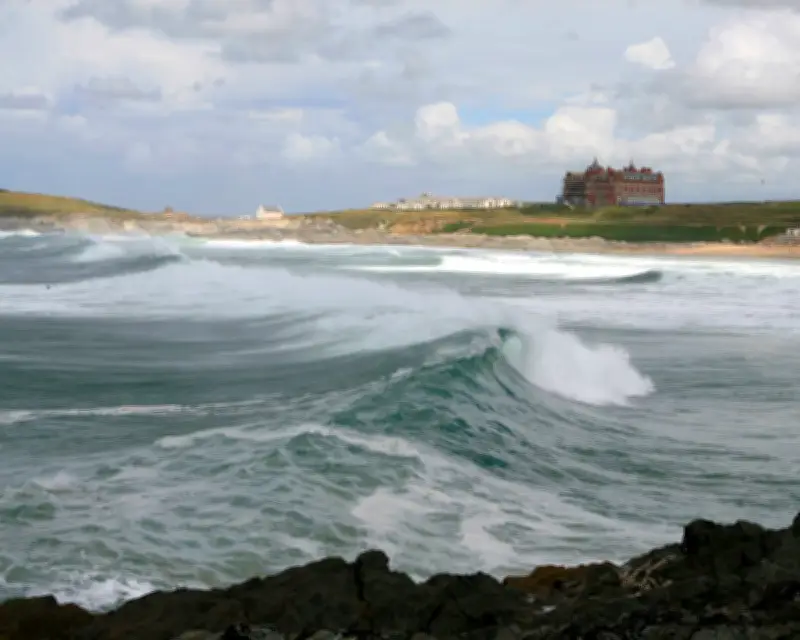
A father and daughter have died after being pulled from the sea at a popular surfing beach in the Cornish resort of Newquay. The man, in his 60s, and the woman, in her 30s, were pronounced dead at Fistral beach on Sunday after a large emergency response involving coastguards, a rescue helicopter, an RNLI lifeboat, paramedics and police. The pair were from Doncaster, South Yorkshire.
Emergency response
Devon and Cornwall police said the victims’ families had been informed and a file would be prepared for the coroner. A spokesperson said: “Police were called by the South Western ambulance service at around 9.45pm on Sunday 26 July, following reports that two people had been recovered from the water at Fistral beach, Newquay. Emergency services attended and a cordon was put in place. Sadly, a man and a woman were pronounced deceased at the scene.” The force added: “We would like to thank all the emergency service personnel and the public involved in responding to this tragic incident.”
Appeal for handbag
Police said the woman entered the water carrying a handbag, described as orange or peach in colour with a shoulder strap. The force said: “It is thought to contain a number of personal items of great sentimental value to her loved ones. At what is an incredibly difficult time for the family, they would take great comfort in being reunited with these belongings if possible.”
Separate incident in West Sussex
In West Sussex, two men were pulled from the sea at West Wittering on Sunday. One was pronounced dead at the scene and the other was taken to hospital. Sussex police were called to the beach at about 2.30pm on Sunday. Officers said the men were not believed to have known each other.
Water safety warnings
The incidents came amid renewed warnings from water safety experts about the dangers of outdoor swimming after a spate of deaths this summer. Heather Massey, an associate professor in extreme environments and physiology at the University of Portsmouth, urged parents to ensure children swim only at supervised beaches with lifeguards and understand what to do if they or someone else get into difficulty. The RNLI advised people to choose beaches patrolled by lifeguards and, if they find themselves struggling in the water, to “float to live” by relaxing and breathing normally, tilting their head back and submerging their ears while using their hands to stay afloat. Once calm, they should call for help or swim to safety.