Teachers Forced to Quit After Colleague Spread Deepfake Images Online
Two former teachers have bravely shared their harrowing experiences of being targeted by a colleague who distributed deepfake images of them across pornography and escorting websites without their consent. The devastating ordeal forced both women to abandon their teaching careers and confront the gut-wrenching moment when students discovered the fabricated content.
Traumatic Discovery in the Classroom
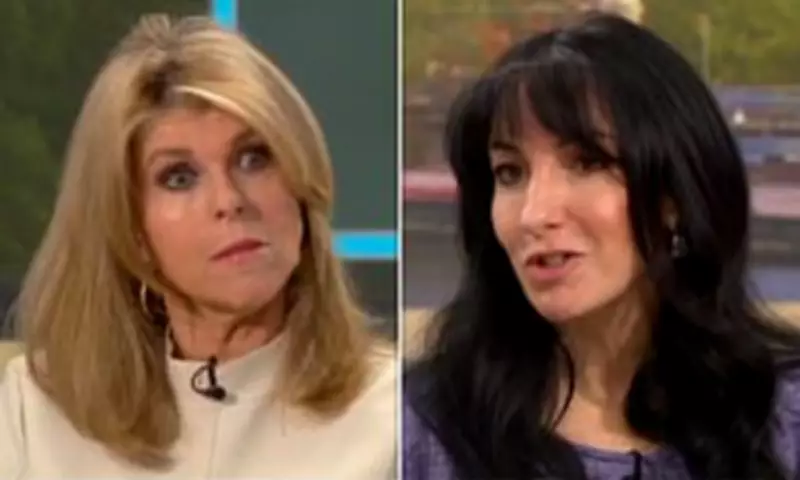
Kirsty Pellant and Donna King appeared on Friday's episode of ITV's Good Morning Britain to discuss their traumatic experiences with presenters Kate Garraway and Ranvir Singh. The pair, who did not work at the same schools, joined forces to uncover the perpetrator behind the malicious campaign.
Kirsty described the chilling moment when a student questioned her about photographs circulating online during a safeguarding discussion about WhatsApp. "One of the children said to me, 'Well, what about the photographs that you've put online?'" she recalled. "At that moment, you know when everything stops for you, and you feel that gut-wrenching moment."

She responded professionally, explaining she had not posted any such images, but the damage was done. The student revealed they had seen the content on a parent's phone, triggering further difficult conversations and ultimately contributing to Kirsty's decision to leave her teaching position.
The Perpetrator Unmasked
Through extensive investigation, the women identified the culprit as Jonathan Bates, a 55-year-old former paratrooper who had retrained as a teacher. The discovery came in 2022, though Bates had not been convicted at that point.
Kirsty explained how working alongside Bates created constant triggers. "For me, I worked with him, so there were so many reminders there. It was just a trigger point for me," she told the hosts. "You just have flashbacks of the class and the interactions that you had. It was just all a bit tainted and the trust completely goes."
Donna discovered her images were being misused several years after Kirsty. She received a message from a man on social media who had seen her on a pornographic website. "I had to explain to him that's not me," she said. "After that, I started to search myself online and that's when lots more came up."
Painstaking Investigation
The women conducted their own investigation to identify the perpetrator. Donna described searching through numerous websites to find other victims' names, then determining who they had in common on social media. "It was a lot of work, a lot of time. Very time consuming," she admitted.
Kirsty's ordeal began with a disturbing Valentine's Day incident when a stranger delivered a card to her home. Days later, the same man messaged her on LinkedIn, asking why they hadn't met and implying they were in a relationship. She later discovered Bates had provided her address to this individual.
Ongoing Impact and Advocacy
The psychological toll has been severe for both women. Kirsty spoke about the pervasive loss of trust: "Everybody you're thinking is going to be saying something, or doing something. You just don't trust anybody."
Despite their trauma, the women are now using their experience to advocate for change. They have been invited to Parliament for a question and answer session to share their story and push for legislative improvements regarding online harassment and deepfake misuse.
Their story will also feature in Faked: Hunting My Online Predator, airing this Sunday on ITV1 at 10:20pm. The documentary promises to provide further insight into their ordeal and the broader issue of online image abuse.
Good Morning Britain continues to air on ITV1 weekdays from 6am and is available for streaming on ITVX.