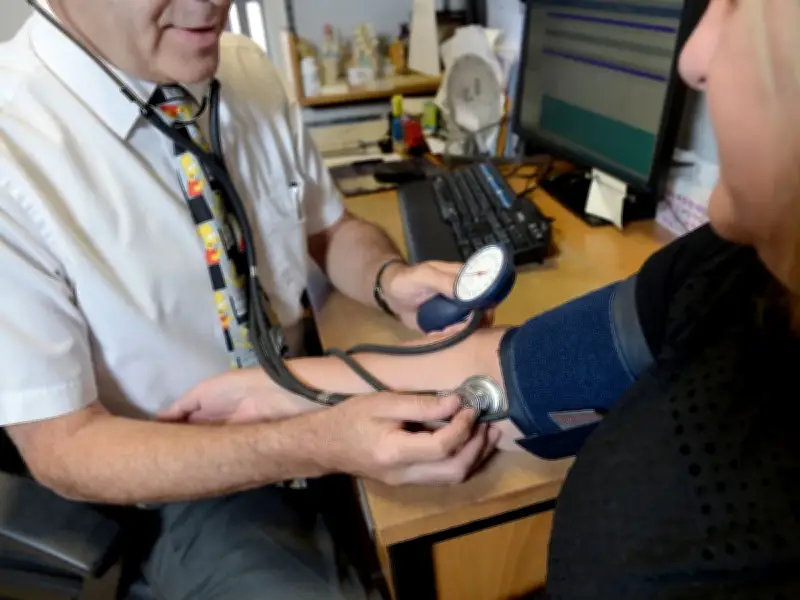
A £4.7 million programme is being introduced to NHS services across the North East to help frontline staff spot the signs of domestic abuse and offer support to those affected. The initiative will help teams in GP practices identify and aid in domestic abuse situations.
Steps to Safety rollout
The North East and North Cumbria Integrated Care Board (ICB) is among just 12 regions in England implementing the Steps to Safety programme. This three-year initiative aims to help GP practice teams identify instances of abuse earlier and connect individuals to specialist support quickly and safely.
The programme will enhance practice staff's ability to recognise signs of abuse with greater confidence, making it easier to refer patients to the most appropriate services for their needs. Each participating practice will designate a 'champion' within their team to guide colleagues and ensure patients receive the sensitive and flexible support that is crucial.
Regional context and support
Claire Riley, the ICB's chief corporate officer, said: "Facing domestic or sexual abuse is a devastating experience, and sadly our region has some of the highest rates in the UK. It can be difficult to ask for help, and often it's not easy for professionals to spot the signs."
She added: "Many situations are complex, involving mental health, substance abuse or trauma, so the right support is more important than ever. We are determined to change this picture. Across our region, we have some great services doing really good work. We want to build on this with training for practice staff, more specialist support, and above all, making sure you can rely on the same fast, high-quality service wherever you live."
Riley also noted: "Most importantly, people who have lived through domestic abuse and sexual violence will be at the heart of Steps to Safety, helping to shape services to make sure they meet people's needs."
GP role and future development
Dr Karen Hutchinson, a local doctor and named GP for safeguarding at the ICB, said: "Our GP practices are recognised by many people as safe, trusted places to discuss sensitive issues. If we can strengthen that important role and identify concerns at an earlier stage, it will make a huge difference in the lives of many women and men in the region."
The programme will improve routes to support for women and girls, while also supporting children and young people, male victims and survivors, as well as people seeking help to change their own harmful behaviour. The £4.7 million investment is closely aligned with the ICB's Women's Health Programme, which aims to enhance the health, safety, and wellbeing of women and girls.
Over the coming months, the programme will be developed with the active involvement of individuals with lived experience, GP practices, the voluntary sector, and specialist organisations.