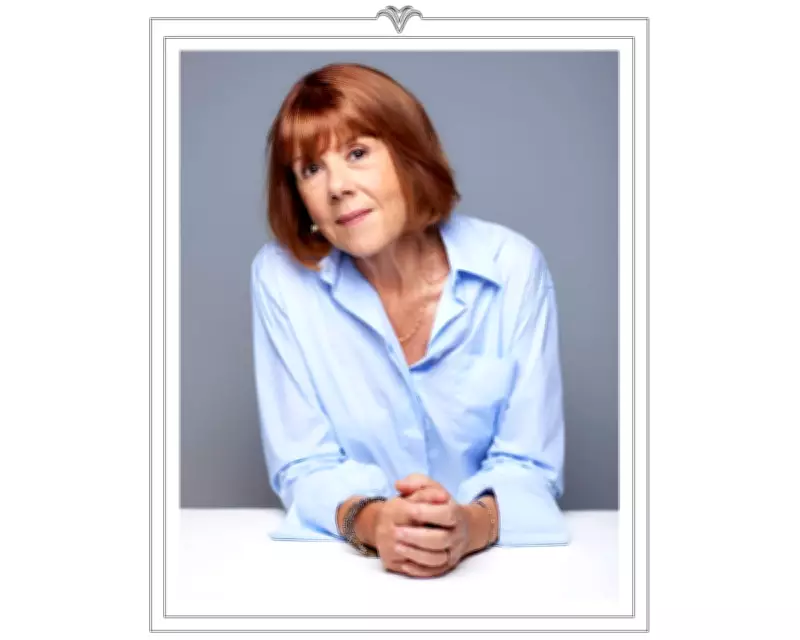
Gisèle Pelicot: From a Decade of Drugged Abuse to a Symbol of Courage
At her new home on Île de Ré off France's Atlantic coast, Gisèle Pelicot, 73, finds solace in simple pleasures: bracing beach walks, loud classical music, fine chocolate, and setting the breakfast table each night. "It's my way of putting myself in a good mood when I wake up," she says. Yet, one of her most cherished possessions is a box of letters from across the globe, sent to her during the 2024 trial that made her a worldwide emblem of bravery.
The Shocking Case That Shook the World
For nearly ten years, Dominique Pelicot, her husband of 50 years, crushed sleeping tablets and anti-anxiety medication into her food and drink. In an online chatroom titled "Without her knowledge," he invited dozens of men to rape her while she was unconscious in their home in Mazan, south-east France. The trial, which Gisèle insisted be public, exposed the horrors of drug-facilitated abuse, termed "chemical submission" in France, and sparked an outpouring of support from women worldwide.
"I have all the letters in a beautiful box," Pelicot shares, reflecting on the messages from Spain to the US, from teenagers to octogenarians, who shared their own stories of suffering. She and her new partner, Jean-Loup, a retired Air France steward, read them together each night during the trial, a ritual that brought tears but also connection. "Hope is allowed," she emphasizes, noting how love has transformed her life after years of devastation.

A Life Forged in Tragedy and Resilience
Born in 1952 in a German garrison town, Gisèle's childhood was marked by loss. Her mother died of a brain tumour when she was nine, a grief she internalized, learning to mask pain like the women in her family. At 19, she fell in love with Dominique, a shy electrician she believed shared her wounded soul. Their marriage seemed idyllic, with a retirement home in Provence and visits from their children and grandchildren.
However, from around 2011, Gisèle experienced mysterious neurological symptoms—memory lapses, black-outs, and gynaecological issues—that doctors attributed to anxiety or possible Alzheimer's. Unbeknownst to her, Dominique was drugging her with a concoction of prescription drugs, including muscle relaxants, to facilitate the rapes. "It was really a kind of general anaesthetic," she recalls, noting how he meticulously redressed her in pyjamas to avoid suspicion.
The Trial and Its Aftermath
In 2020, Dominique was arrested for upskirting in a supermarket, leading police to uncover his crimes. The 2024 trial saw him and 50 other men found guilty of rape, attempted rape, or sexual assault. Gisèle faced the accused in court, many of whom denied the charges or trivialized their actions. "It was the trial of cowardice and denial," she says, highlighting how it lifted the veil on societal evils, similar to cases like Jeffrey Epstein's.
The trial also revealed the impact on her family. Her daughter, Caroline, has accused Dominique of drugging and raping her in her 30s, a claim he denies. Gisèle acknowledges the strain but says their relationship is healing. "It blew everything apart," she admits, emphasizing the ongoing struggle for each family member to rebuild.
Advocacy and Hope for Change
Gisèle's memoir, A Hymn to Life, published by Bodley Head, is a testament to hope and introspection. She advocates for shifting shame from survivors to perpetrators, stressing that "shame has to change sides." The trial has spurred French lawmakers to add consent references to rape laws, but Gisèle believes deeper societal change is needed. "Although it's good to change laws, I think above all you have to change mentalities," she asserts, calling for education on respect and kindness.
Today, Gisèle is rebuilding her life. Since Dominique's arrest, her health has improved—memory issues resolved, weight regained, and hair loss stopped. She plans to visit him in prison to seek answers but focuses on her mission: speaking to law students and supporting survivors. "I'm a survivor, I miraculously survived," she says, embodying the resilience that has inspired many. As she looks ahead, she hopes her story encourages others to find happiness and strength, proving that even after profound tragedy, new beginnings are possible.