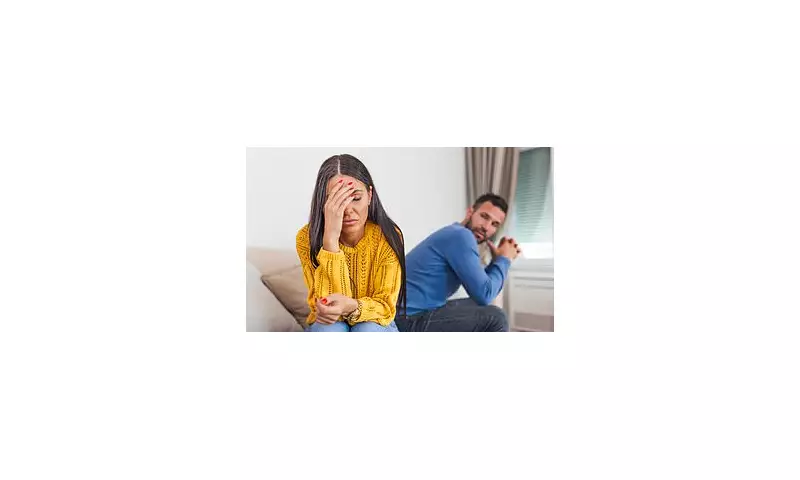
With the festive season fast approaching, a relationship expert has issued timely advice for those considering ending an unhappy partnership, pinpointing the most considerate window to act.
The Kindest Window for a Festive Breakup
Claire Dows, a relationship expert at Private Investigations UK (PIUK), advises that mid-November to early December is usually the kindest window to break up. This timing allows both individuals space to process the split before the intense social pressures of Christmas gatherings and celebrations begin. "Waiting until the final days of December can make a breakup feel cruel or chaotic," Dows explained.
She also highlighted a second major spike for relationship breakdowns occurring shortly after New Year, specifically between January 3 and 7. "Once the tree comes down, reality sets in," she added. "People reassess what they want — it's a natural emotional reset."

Festive Red Flags: Uncovering Infidelity
While Christmas is synonymous with romance, investigators note it is also one of the busiest periods for uncovering affairs. John Eastham, lead investigator at PIUK, stated, "Every December we see a sharp rise in suspected affairs." He pointed to office parties and late-night 'shopping trips' as classic covers for suspicious behaviour.
Experts warn partners to be vigilant for specific festive red flags, which include:
- Extended 'gift-buying trips' that stretch for hours, using Christmas shopping as a built-in excuse for absence.
- Unlabelled bags, hidden boxes, or luxury purchases with no clear recipient.
- A sudden, careful curation of their online presence and being vague about their availability.
"The festive period gives people ready-made excuses for unusual behaviour," Eastham said. "If something feels off, it probably is."
Research on Infidelity During High-Stress Times
Supporting the notion that stressful periods can strain relationships, a study published earlier this year found that men were more likely than women to have an affair during high-stress events. Researchers from Indiana University Bloomington surveyed over 1,000 adults in committed heterosexual relationships during the first year of the Covid-19 pandemic.
The study revealed that 19% of participants engaged in some form of infidelity during that time. Analysis showed men were more likely than women to report an increased desire to be unfaithful and were also more likely to have actually cheated on their partner.
While people employ tactics like relationship enhancement or proactive avoidance to resist temptation, psychologist Dr Alex Fradera, commenting on separate research, suggested that once feelings of temptation emerge, little can be done to prevent infidelity.
Ultimately, for those certain a relationship has run its course, acting with consideration and timing before the holidays escalate may be the least painful path for everyone involved.