Alpine Divorce: The Disturbing Dating Trend of Mountain Abandonment
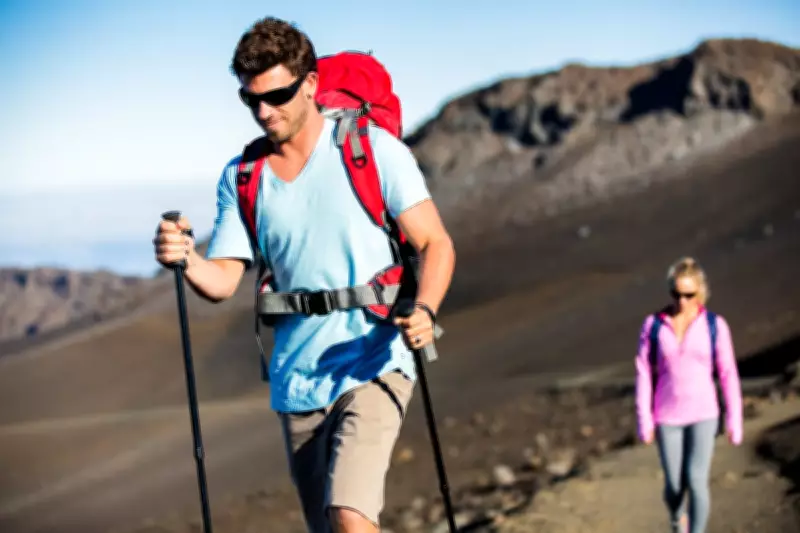
As the term 'alpine divorce' surges in online discourse, a troubling pattern emerges where individuals, predominantly women, recount being left stranded on remote hikes by their partners. This phenomenon, likened to 'ghosting in real life,' involves the physical abandonment of a significant other in mountainous or isolated settings, often following disagreements or frustrations.
Personal Accounts Highlight the Dangers
In 2011, Maya Silver faced a harrowing experience while hiking in Colorado's Unaweep Canyon. Her then-boyfriend, frustrated with her pace, stormed ahead and disappeared, leaving her alone for two hours. Silver, an inexperienced hiker at the time, grappled with fears of rattlesnakes, heatstroke, and isolation. She describes spiraling thoughts of never finding her way back. This incident, which she now identifies as an alpine divorce, led to their breakup months later. Silver, now an experienced climber and editor of Climbing Magazine, reflects on how the situation could have escalated into a search-and-rescue mission or turned fatal.
Historical and Legal Context
The term 'alpine divorce' originates from an 1893 short story by Scottish-Canadian author Robert Barr, featuring a man plotting to push his wife off a mountain. It gained mainstream attention recently after Austrian climber Thomas Plamberger was convicted of gross negligent manslaughter for leaving his girlfriend to freeze to death on Grossglockner, Austria's highest mountain, in 2025. During the trial, it was revealed that Plamberger had previously abandoned another ex-girlfriend on a night hike, though she managed to descend safely. This case underscores the severe risks associated with such abandonment.

Psychological Impact and Expert Insights
Relationship experts warn that alpine divorce can cause significant trauma. Minaa B, a social worker based in New York, explains that being abandoned in an unfamiliar or unsafe environment triggers a fight-or-flight response, leading to fear, stress, and nervous system dysregulation. She compares it to ghosting, noting it as an extreme, real-life version where individuals avoid direct communication by physically leaving. Dr. Jessica Carbino, a former sociologist for dating apps, adds that this behavior often stems from poor impulse control and stress management, with power dynamics playing a role, particularly in traditional gender roles where men may assert dominance by walking away.
Safety Recommendations and Awareness
Silver advises less-experienced hikers, especially women, to take precautions when planning dates in isolated areas. She recommends researching routes, asking tough questions, and choosing familiar, busy locations with cell reception. If doubts arise, opting for safer alternatives like climbing gyms or well-known trails is crucial. While these stories may be alarming, awareness can empower individuals to prioritize safety in relationships and outdoor activities.
For support, the national domestic abuse helpline offers assistance at 0808 2000 247, or visit the Refuge website. A men's advice line is available at 0808 8010 327. In the US, call the domestic violence hotline at 1-800-799-SAFE (7233). International helplines can be found via www.befrienders.org.