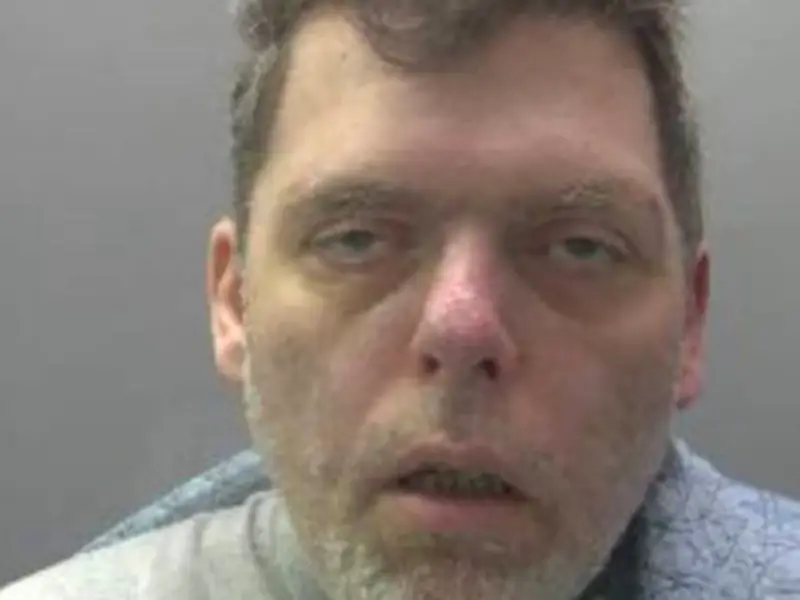
Karl Hutchings, 48, has been sentenced to life imprisonment for the murder and dismemberment of 55-year-old Julie Buckley. Hutchings, who initially pleaded not guilty, changed his plea to guilty on September 15 last year and provided police with a hand-drawn map indicating where he had buried Ms Buckley's remains in a shallow grave in Wimblington, Cambridgeshire.
Murder and Dismemberment
Prosecutor Christine Agnew KC told Cambridge Crown Court that Ms Buckley, who like Hutchings was dependent on Class A drugs, had been staying at Hutchings's property in the village of Christchurch. She was last seen alive at a Budgens supermarket in the nearby town of March on January 28 last year. The court heard that Hutchings struck Ms Buckley over the head with a hammer, then used a saw to dismember her body into ten pieces before burying them.
Returning to pass sentence on Thursday, Judge Mark Bishop described the murder as "particularly brutal," noting an "eruption of violence in the context of drug use." Based on phone records, the judge determined that Ms Buckley was murdered between the afternoon of January 29 and the morning of January 30. On January 30, Hutchings used Ms Buckley's bank card at a One Stop shop in Manea to buy food, alcohol, and cleaning products, the court heard.
Clean-Up and Disposal
The judge revealed that days after the murder, Hutchings told a female friend he had "some women's clothing for sale," which she bought. Hutchings also told the friend that "if this friend wanted anyone killed you could kill them for her." When the friend asked if Hutchings had done "anything stupid," he replied that he could not say "until I've got rid of her and cleaned up." The court heard that Hutchings carried out an "extensive clean-up operation," and saw blades containing hair identified as Ms Buckley's were found in a drainage ditch.
Hutchings also used Ms Buckley's card to withdraw cash, sold her clothing, and on February 10 disposed of her car for £500. However, Judge Bishop stated: "I do not consider that the murder was done for this purpose."
Mental Health and Sentencing
Allison Summers, representing Hutchings, informed the court that he had a "long history of mental health problems and significant drug addiction." The judge acknowledged that Hutchings handed police the map after learning that a psychiatric assessment would not support a diminished responsibility defense.
Judge Bishop noted that more than 2,000 police hours were dedicated to the investigation, with officers carrying out proof-of-life enquiries until Ms Buckley's body was found. Speaking after the trial, Andrew Young, senior crown prosecutor, said: "Despite Karl Hutchings' initial claims that the evidence against him was laughable, he eventually changed his plea from not guilty to guilty and provided the police with a map leading to a shallow grave where he had crudely buried Julie Buckley."
Young added: "Our case strategy following the complex investigation relied on a number of experts including archaeologists, anthropologists and a pathologist – who were able to determine how Hutchings brutally killed Julie. We also used comprehensive forensic evidence gathered from the murder scene, direct accounts from those who had spoken to Hutchings and extensive 'proof of life' enquiries. I hope the outcome of these proceedings will bring some form of justice to Julie's family and loved ones."