Juror Overcome as Disturbing Evidence Presented in Infant Starvation Trial
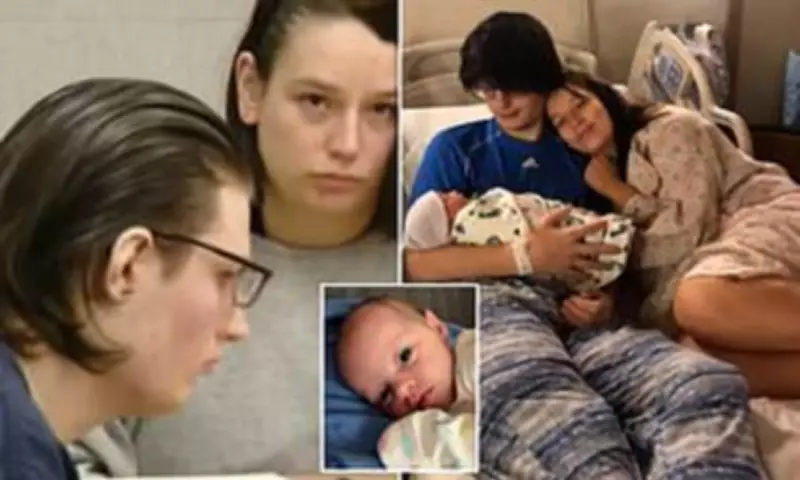
A harrowing trial in San Diego, California, took an emotional turn this week when a juror was reportedly reduced to tears after viewing graphic photographs and footage of a three-month-old baby girl who prosecutors allege was starved to death by her own parents. The case centres on Elizabeth Ucman, 26, and Brandon Copeland, 25, who stand accused of first-degree murder in the death of their daughter, Delilah.
A Tragic Discovery and Grim Allegations
According to court proceedings, the infant was found unresponsive by police at the family's apartment on November 9, 2021, and was rushed to hospital, where she was pronounced dead. The prosecution, led by attorney Francesca Ballerio, painted a devastating picture of severe neglect, alleging that Delilah weighed less than half her birth weight at the time of her death. Ballerio stated that the baby's abdominal organs were visible, describing her as a victim of "severe malnutrition."
The emotional impact on the court was palpable. An alternate juror was reportedly so distraught upon seeing police body camera footage of Delilah's body that she began crying openly. This footage was part of a suite of evidence presented to illustrate the prosecution's case against the parents.

Damning Recordings and Defence Arguments
During opening statements, the prosecution read a transcript of a conversation between Ucman and Copeland, recorded after their arrest without their knowledge. In the exchange, Copeland is alleged to have said, "Even if we get a lawyer, we are guilty as s***. We neglected her." He reportedly added, "I mean, technically, what we did was murder." In another part of the conversation, when Ucman expressed fear, Copeland allegedly retorted, "Oh well. How do you think Delilah felt?"
However, the defence teams for the two parents, who are being tried separately with different juries, presented contrasting narratives. Copeland's attorney argued that his client was a victim of profound childhood trauma, having been sold as an infant by his mother and later abandoned by his adoptive family. Ucman's lawyer, Anthony Parker, contended that her actions were a product of severe mental illness and postpartum depression, framing the tragedy as a case of neglect rather than premeditated murder. Parker stated, "She wasn’t seeing the world or Delilah through normal eyes, but through the lens of postpartum depression."
A History of Concerns and Failed Interventions
Court documents and testimony revealed a troubling background. The couple's apartment was described as littered with trash, spoiled food, and animal feces. Family members, including Delilah's great-aunt, Annie Chapman, testified to repeated concerns about the child's welfare. Chapman cared for Delilah during her first month of life, offering to take her permanently or facilitate adoption, but Ucman refused.
Despite multiple reports to Child Welfare Services and visits from social workers, the parents were eventually allowed to resume care of the infant. Chapman testified that she made "hundreds" of reports to authorities after returning the child in August. San Diego Police Detective Kelly Thibault-Hamil also testified, stating that Copeland admitted to leaving Delilah in a playpen all day and covering her with blankets to muffle her cries, while Ucman allegedly went days without feeding or changing her.
The Legal Proceedings and Potential Penalties
The trials for Ucman and Copeland have been severed, meaning they are represented by different attorneys and have separate juries, though both panels were present for the initial opening statements. The defendants have pleaded not guilty to the first-degree murder charges. Ucman is being held at the Las Colinas Detention and Reentry Facility, while Copeland is in San Diego Central Jail. In California, first-degree murder carries a maximum penalty of the death penalty, life imprisonment without parole, or a sentence of 25 years to life.
The case continues to unfold, with testimonies set to begin, as the court seeks to determine culpability in one of the most distressing child welfare failures in recent memory.