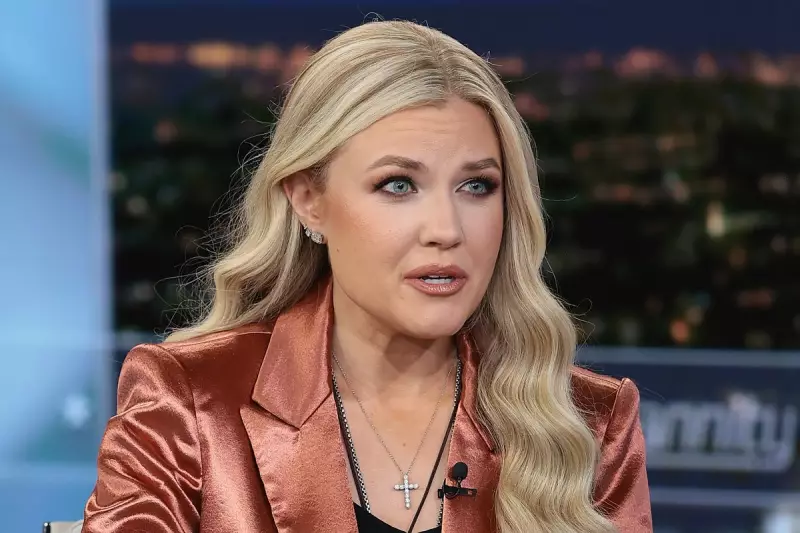
Erika Kirk, the widow of the late Charlie Kirk, has formally demanded a swift trial for the man accused of her husband's assassination through a new court filing. The legal move seeks to accelerate proceedings against Tyler Robinson, who stands charged with the murder of the prominent figure.
Invoking Victim Rights Under Utah Law
In documents filed by her attorney, Jeffrey Neiman, Erika Kirk invoked her rights as a victim under specific provisions of Utah state law. The filing explicitly accuses the defence team of causing what it terms "undue delay" in the case's progression.
Defence Team's Conflict of Interest Claim
The delays prompting this action stem from Robinson's defence lawyers seeking to disqualify a local prosecutor. They allege a conflict of interest exists because a deputy within the county attorney's office had an adult child present at the scene when Charlie Kirk was fatally shot.

This claim has become a central point of contention, potentially complicating the prosecution's approach and timeline. Legal observers note such motions can significantly slow down pre-trial preparations and hearings.
Legal Experts Predict Added Urgency
Several legal analysts have commented that Erika Kirk's formal intervention is likely to inject a new sense of urgency into the judicial process. By exercising her statutory rights as a victim, she places additional pressure on the court to adhere to stricter scheduling protocols.
The case remains active, with Tyler Robinson scheduled to make his next court appearance on February 3rd. All parties will be expected to address the issues of scheduling and the pending conflict-of-interest motion at that time.
The broader legal community will be watching closely to see how the court balances the defence's procedural arguments with the victim's family's right to a timely resolution. This case highlights the often complex interplay between defendants' rights and victims' advocacy in high-profile criminal proceedings.