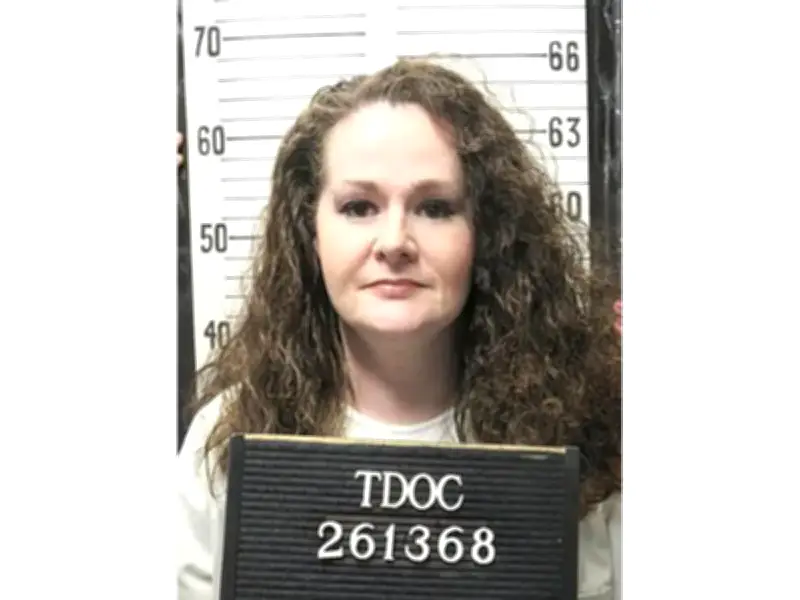
The failed execution of death row inmate Christa Pike descended into chaos as 911 dispatch recordings reveal that first responders initially did not believe she was still alive, delaying medical assistance.
Pike, who was sentenced to death for the 1995 murder of 19-year-old Colleen Slemmer, was administered two doses of pentobarbital on September 30 but survived. She was 18 at the time of the killing and became the youngest woman sentenced to death the following year.
Confusion and Delayed Response
Emergency services were first contacted at 8.40pm, just over an hour after the attempted lethal injection began, but the caller was unable to provide a code to verify the legitimacy of the request. The caller, whose name and title have been redacted, told 911 they were at Riverbend Maximum Security Institution where an execution had failed and Pike was still alive.
At 9.03pm, a dispatcher said: "Per supervisors here at the DEC (Department of Emergency Communications) we have been informed it is a false call. There is no medical assistance needed at Riverbend Prison."
Lawyer's Desperate Call
Pike's lawyer Kelly Gleason personally dialed 911 at 9.08pm after initial reports from the prison were deemed a false alarm. She said on the call: "My client, Christa Gail Pike, is undergoing a state execution. She has completed the stages of the protocol and last we knew from the attorney who is present, she is still alive and breathing and needs immediate life-saving care."
Representatives of the prison's Central Control said they "did not make that call" to emergency services, according to a recording at 9.07pm. At the same time, another first responder could be heard over the radio saying: "Somebody is outside the gate at the prison telling us that it's real and demanding us to go in. They say they are some sort of state official. I need somebody to get out to the gate and talk to those people."
Aftermath and Review
At around 9.11pm, prison officials confirmed to medics it was legitimate and permitted responders through the gates, with Pike taken to hospital. She was put on a ventilator, and her lawyers said they did not expect her to survive, but she woke up and was discharged from hospital on October 10 and returned to prison.
The Nashville Department of Emergency Communications released the batch of audio recordings. Police said the first recording of the 911 call was exempt from public disclosure under state law. It remains unclear whether the state will attempt to execute Pike again. The Tennessee Department of Correction has not established what went wrong with the execution, and Governor Bill Lee has paused further executions pending a review. Medics have offered possible explanations for Pike's survival, including potential drug quality issues and IV line placement causing the drug to pool in her tissue. Pike's attorney told officials she had a blood disorder that could cause clotting at injection sites.