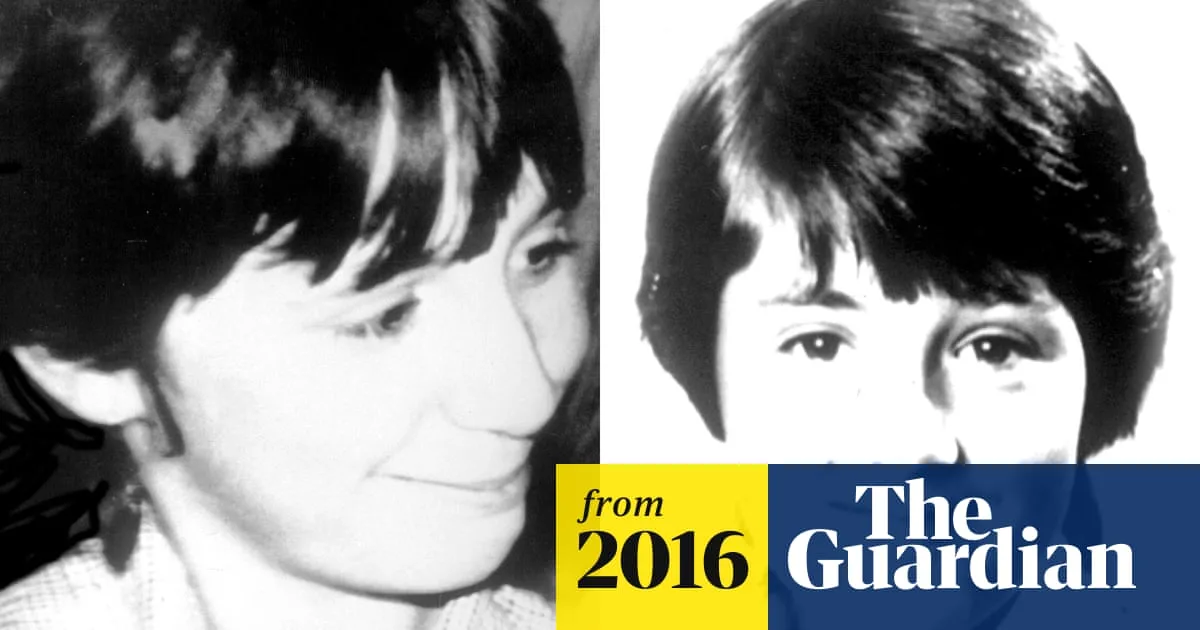
Thirty years ago this summer, a groundbreaking DNA technique was used for the first time in a criminal investigation, leading to the capture of a serial killer and preventing a miscarriage of justice. The case involved the murders of two 15-year-old schoolgirls, Lynda Mann and Dawn Ashworth, in Narborough, Leicestershire.
Dawn Ashworth vanished on a Thursday afternoon in July while walking home along a footpath known as Ten Pound Lane. Her body was found two days later in a nearby field, covered in twigs and nettles. The pathologist determined she had been raped and strangled. Two and a half years earlier, Lynda Mann had been murdered in a similar manner just a few hundred yards away.
Police arrested Richard Buckland, a 17-year-old local boy with learning difficulties, who knew Dawn and appeared to have knowledge of details not made public. He was charged with Dawn's murder but adamantly denied killing Lynda. Detectives believed the same person was responsible for both murders.
Geneticist Alec Jeffreys at the University of Leicester had accidentally discovered DNA fingerprinting during a failed experiment. He realised that individuals could be identified with precision through their DNA patterns. Jeffreys agreed to test Buckland's blood and semen from the victims. The results showed that the same man had raped both girls, but it was not Buckland.
Buckland became the first person to be exonerated by DNA evidence. The police then launched a mass DNA screening of local men, leading to the arrest of Colin Pitchfork, who confessed to both murders. Pitchfork was convicted in 1988 and sentenced to life imprisonment.