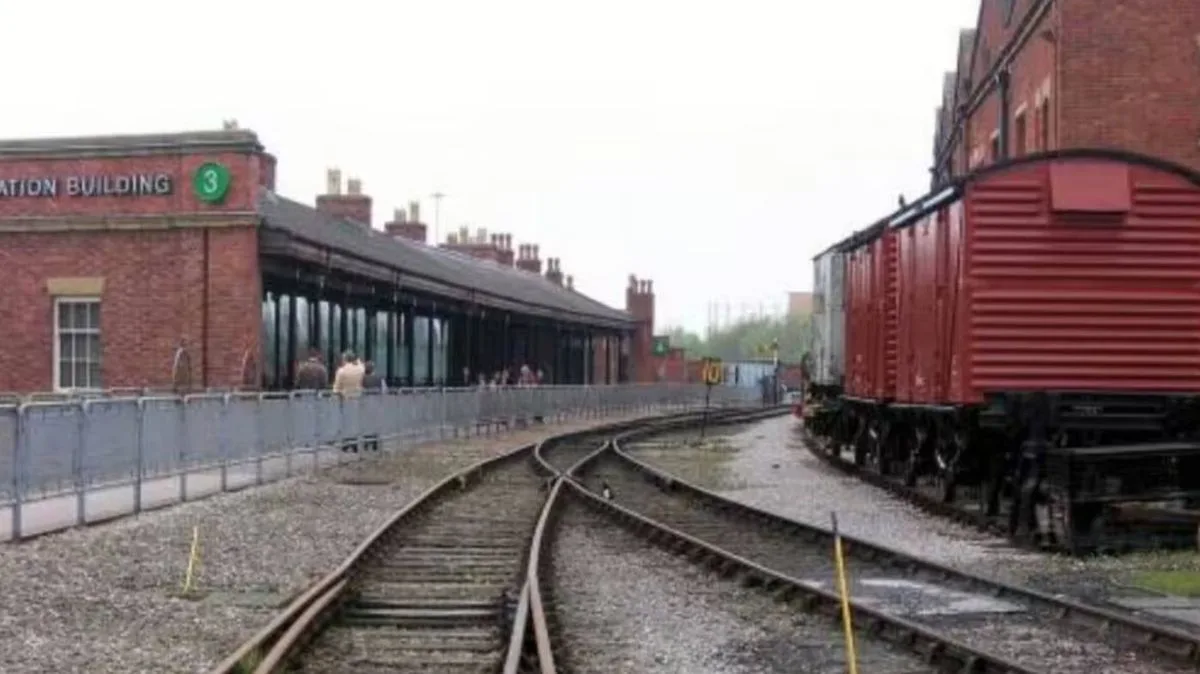
Manchester's Liverpool Road: World's Oldest Surviving Railway Station
World's Oldest Railway Station is in Manchester

Britain's profound historical connection with railways, stretching back centuries, is powerfully embodied in one remarkable structure. The world's oldest surviving railway station can be found right here in the United Kingdom, a testament to the nation's pioneering role in transport history.

A Groundbreaking Transport Hub

Located in Manchester, Liverpool Road Station was constructed nearly two centuries ago in 1830. This transport hub formed a crucial and groundbreaking component of the historic Liverpool and Manchester railway, fundamentally transforming travel and commerce in the region during the height of the Industrial Revolution.

It represented the globe's first steam-powered, inter-city railway system, specifically engineered to forge a vital link between the major industrial centres of Liverpool and Manchester. The station's design and operation set precedents that would shape railway networks worldwide.

Wide Pickt banner — collaborative shopping lists app for Telegram, phone mockup with grocery list

Operational History and Preservation

The station's initial passenger service was relatively brief, operating for just 14 years before closing in 1844. This closure was prompted by the opening of the nearby and more expansive Manchester Victoria station. However, Liverpool Road's story was far from over.

It continued its service as a freight depot and goods yard for well over a century, finally ceasing all rail operations in 1975. Following its permanent closure, the site was preserved, recognising its immense historical significance. According to official Guinness World Records, the station building stands as the oldest surviving station structure anywhere in the world.

Architectural Features and Passenger Experience

The original station complex was an engineering marvel of its time. It featured a substantial brick viaduct, canal-style warehouses for goods storage, and one of the earliest examples of a modern girder bridge. This bridge allowed trains to cross directly over Water Street in Manchester's city centre.

The passenger experience in the 1830s was markedly different from today. Travellers typically arrived at the station by horse-drawn carriage. First-class and second-class passengers were required to purchase their tickets in separate halls, reflecting the social hierarchies of the era. Luggage was manually hoisted onto the carriage roofs, and passengers would only board after a bell was rung—a bell that remains on display within the station building to this day.

Legacy and Modern Use

Now holding prestigious Grade I Listed status, the station building forms an integral part of the Science and Industry Museum in Manchester. Its preservation allows visitors to step back into the dawn of railway travel.

Following the nationalisation of Britain's railways in 1948, British Railways assumed control of the site until its eventual closure. In a fascinating twist of cultural repurposing, after the station shut down, Granada Studios acquired one of its former warehouses. A section of this historic structure was subsequently used as part of the iconic outdoor set for the long-running television soap opera, Coronation Street.

With the cessation of operations at Liverpool Road in the 1970s, the title of Britain's oldest working station passed to Earlestown Station in nearby Newton-le-Willows. Nevertheless, Liverpool Road Station's legacy as the world's oldest surviving railway terminus remains unchallenged, a permanent monument to Britain's revolutionary transport heritage.

Pickt after-article banner — collaborative shopping lists app with family illustration