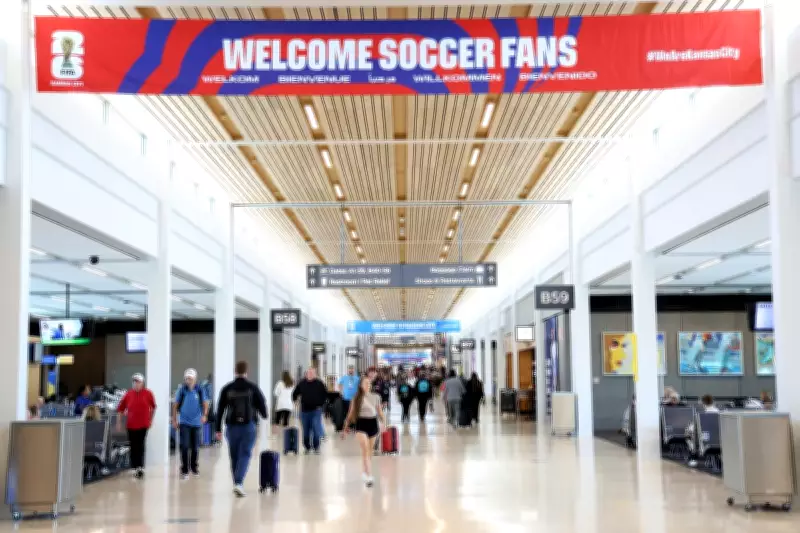
Hotel bookings for the FIFA World Cup in the United States are falling short of expectations, according to a new report from the American Hotel & Lodging Association (AHLA). The report, released ahead of the 2026 tournament, reveals that anticipated demand has not materialised into strong reservations, with 80 per cent of surveyed hoteliers reporting bookings below initial forecasts despite five million tickets sold.
Factors Behind Weak Demand
The AHLA survey identified several key factors contributing to the slowdown. Between 65 and 70 per cent of respondents cited visa barriers and geopolitical concerns as primary constraints, though these issues have historically limited World Cup-driven travel. Additionally, the strong dollar, high airfare costs, and elevated fuel prices have made the US an expensive destination compared to previous tournaments.
Domestic travellers are currently outpacing international visitors, which the AHLA warns could diminish the expected economic impact. Some host cities, including Kansas City, Boston, Philadelphia, San Francisco, and Seattle, are reporting bookings below typical summer levels even without a major event.

FIFA Room Block Overcommitment
The report also points to FIFA's room block overcommitment as a contributing factor. The football organisation reserved thousands of rooms ahead of the games, creating artificial anticipation. Roughly half of respondents said these blocks have been released back to hotels, forcing properties to fill rooms independently. In Dallas and Arlington, FIFA cancelled some block reservations, stating that rooms were initially booked for operations staff and media and are adjusted as attendee numbers solidify.
Only 25 to 30 per cent of respondents report meaningful uplifts, primarily in accommodations with strong leisure demand or confirmed team-based camps, such as in Atlanta.
Industry Response
Rosanna Maietta, president and CEO of AHLA, commented: "Hotels across host markets have spent years preparing for the World Cup, and while there is real excitement, the data points to a more nuanced outlook. A range of factors have tempered early optimism, though forward indicators show there is still meaningful opportunity ahead. To fully realise that potential, the US and FIFA must ensure a welcoming and seamless experience for international travellers. That means avoiding unnecessary cost increases on visas and transportation to and from the games, and discouraging local jurisdictions from adding last-minute tax hikes that hurt the games and consumers."