

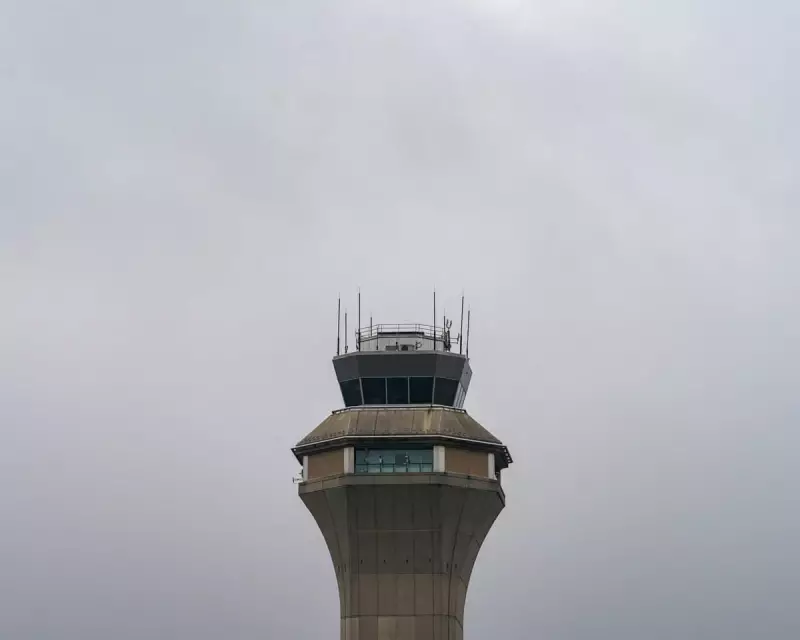
The United States is facing an unprecedented aviation crisis as a perfect storm of chronic staff shortages and political gridlock threatens to bring air travel to its knees. With another government shutdown looming, the already strained air traffic control system could be pushed beyond breaking point.
The Ticking Time Bomb in US Skies
America's aviation network is operating on borrowed time. Critical air traffic controller shortages have left facilities across the country dangerously understaffed, creating what experts describe as a systemic vulnerability in the nation's transportation infrastructure.
The Federal Aviation Administration (FAA) has been grappling with this staffing crisis for years, but the situation has reached a critical juncture. Key facilities including those in New York, Florida, and Atlanta are operating with significantly reduced capacity, forcing controllers to work excessive overtime and creating potentially unsafe working conditions.

Shutdown Threatens to Tip Scales Toward Disaster
Congressional failure to pass a budget by November could trigger a government shutdown that would have immediate and severe consequences for air travel. Unlike previous shutdowns, this one comes at a time when the system has no remaining resilience to absorb further disruption.
During a shutdown, air traffic controllers would be forced to work without pay, while critical training programmes for new recruits would grind to a complete halt. This double blow of financial stress on existing staff and frozen recruitment could prove catastrophic for an already fragile system.
Passengers Face Travel Nightmare
The potential impacts on travellers are severe and far-reaching:
- Widespread flight cancellations and lengthy delays
- Reduced flight capacity as airlines pre-emptively cut schedules
- Potential closure of smaller regional airports
- Increased safety risks due to overworked controllers
- Domino effect disruptions across global aviation networks
A Crisis Years in the Making
This emergency didn't emerge overnight. The controller shortage stems from a combination of factors that have been brewing for nearly a decade:
- Mass retirements of controllers hired after the 1981 PATCO strike
- Inadequate recruitment and training pipeline capacity
- COVID-19 disruptions that halted critical training programmes
- Complex certification processes that slow staff deployment
- High stress levels leading to burnout and early departures
Political Brinkmanship Meets Aviation Reality
The situation represents a dangerous collision between political gamesmanship and operational reality. Aviation experts warn that playing political football with the nation's air traffic control system risks consequences that could take years to repair.
The bottom line: Without immediate congressional action to both avoid a shutdown and address the underlying staffing crisis, the United States faces the very real prospect of an aviation meltdown that would ground thousands of flights and undermine confidence in the world's largest air travel market.
The clock is ticking, and the margin for error has evaporated. The skies above America have never been more vulnerable.






