
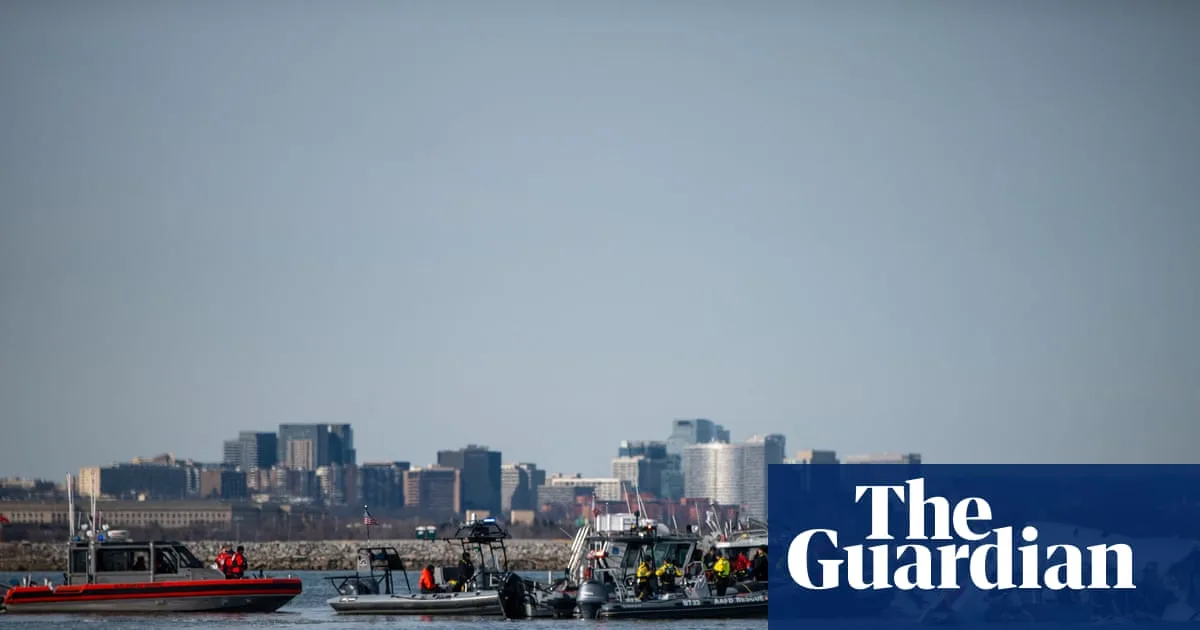
The United States government has formally admitted liability for the January collision between an American Airlines regional jet and a US Army Black Hawk helicopter near Washington DC, which killed all 67 people on board. In a court filing responding to the first lawsuit from a victim's family, the government acknowledged that failures by the Federal Aviation Administration (FAA) and the army contributed to the crash, the deadliest on American soil in over two decades.
The filing stated that the FAA was partially at fault because an air traffic controller violated procedures regarding when to rely on pilots to maintain visual separation that night. It also said the army helicopter pilots failed to maintain vigilance and avoid the jet, making the government liable. However, the filing suggested that others, including the pilots of the jet and the airlines, may also share responsibility.
Robert Clifford, an attorney for the family of victim Casey Crafton, said the government had admitted the army's responsibility and the FAA's failure to follow procedures, while rightfully acknowledging contributions from American Airlines and its regional partner PSA Airlines. The government's lawyers stated that the United States owed a duty of care to the plaintiffs, which it breached, thereby proximately causing the accident.
American Airlines declined to comment on the filing but has sought to be dismissed from the lawsuit, arguing that proper recourse is against the government. The National Transportation Safety Board (NTSB) is due to release its final report early next year, but investigators have already highlighted multiple factors, including the helicopter flying 78ft above its 200ft altitude limit and the FAA's failure to address near misses at Reagan National Airport.
The crash victims included elite young figure skaters, their parents and coaches returning from a competition, and four union steamfitters from the Washington area. At least 28 bodies were recovered from the icy Potomac River. The NTSB has also noted concerns about the helicopter crew's use of night vision goggles and a possible altimeter error.




